Agent Tools Today, 3 Oct 2026: Claude Code Mods, OpenDots, Conductor Mobile
The top 5 launches, skills and MCP servers, multi agent moves, rising repos and arguments in coding agents on 3 Oct 2026, each with its source.
News
Read →
Tag
43 posts tagged Open Source.
The top 5 launches, skills and MCP servers, multi agent moves, rising repos and arguments in coding agents on 3 Oct 2026, each with its source.
Hermes Agent is Nous Research's MIT licensed AI agent with memory, skills and chat channels. Install command, models, pricing and how it compares.
What is Codex? OpenAI's coding agent runs in your terminal, the ChatGPT desktop app, your IDE and the cloud. Which plans include it, checked 2 Oct 2026.
Pi agent is Earendil's MIT licensed coding agent harness. What it is, how to install it, what Pi 1.0 and Pi Durable add, and how it compares.
The best open source AI agents in 2026, sorted by job: personal assistants, coding agents, agent teams and a framework. Licences checked 1 Oct 2026.
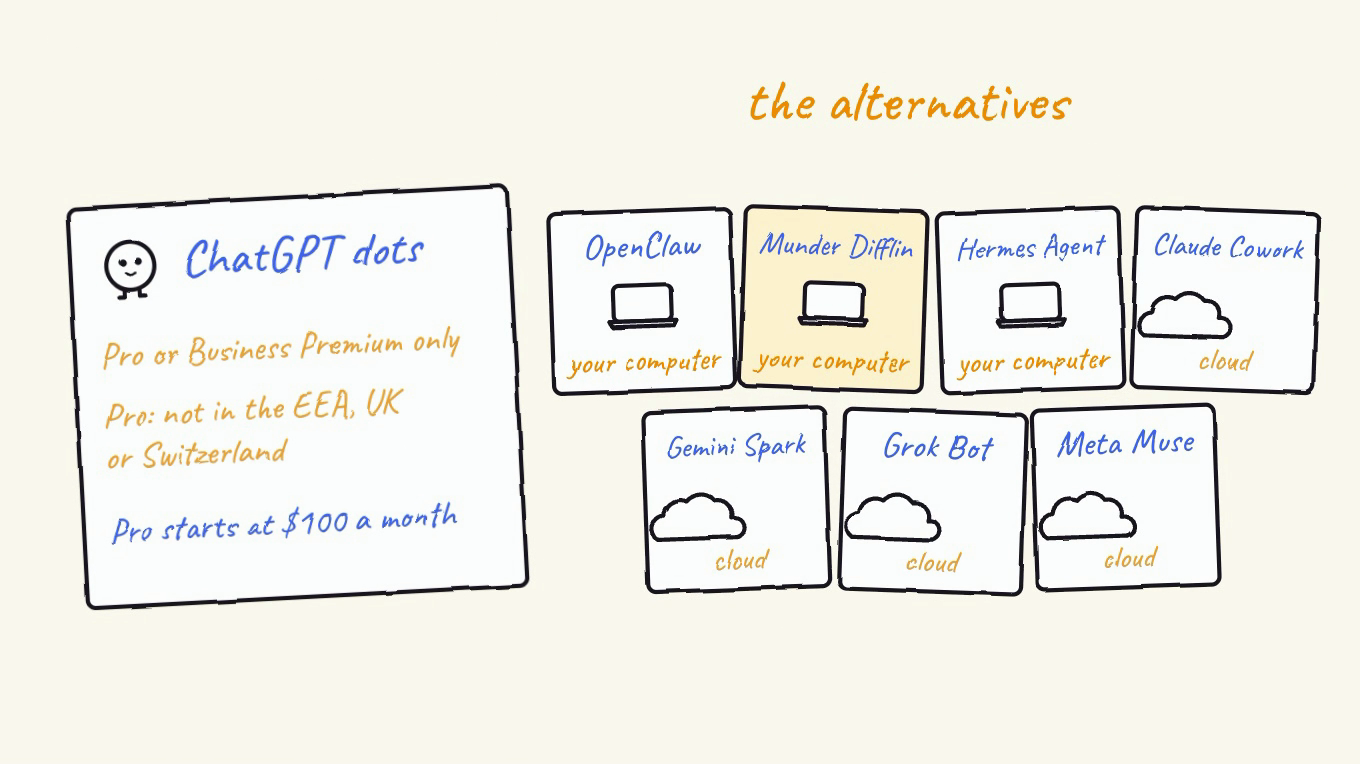
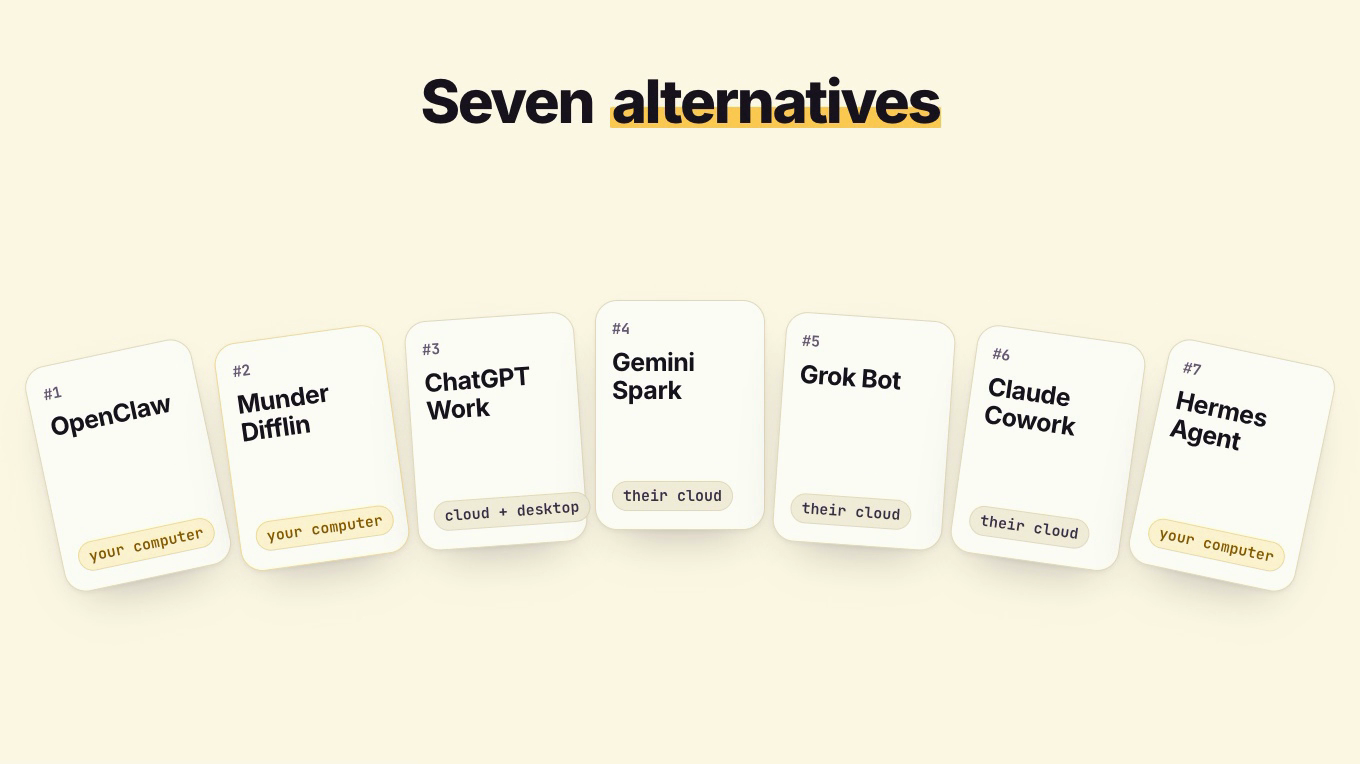
Personal ChatGPT dots need Pro from $100 a month and skip the UK and EU. Seven alternatives, sorted by where they run: your computer or a vendor's cloud.
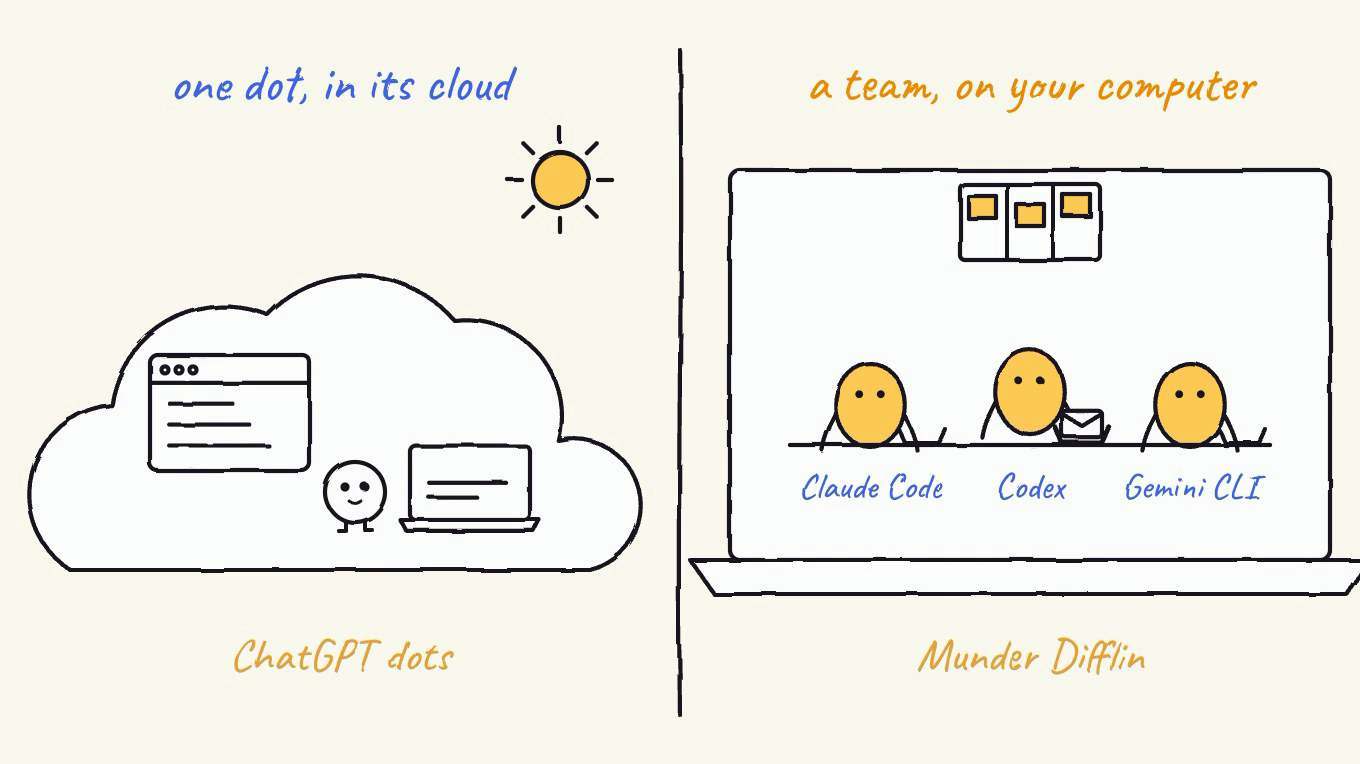
ChatGPT dots vs Munder Difflin: one hosted agent on OpenAI's cloud, or a free, open source team of agents on your own computer. Checked 30 Sep 2026.
OpenCode is Anomaly's MIT licensed coding agent for the terminal. What it is, how to install it, what it costs, and how it compares with Claude Code and Codex.
Grok Bot has no plan of its own. It comes bundled with SuperGrok and Cursor plans from $20 to $300 a month. Here is what each one gets you, what the free trial is, and the $0 route for work agents.
Meta Muse is US only and trains on your chats by default. Seven alternatives, from open source agents that run on your own computer to hosted ones from OpenAI, Google and SpaceXAI.
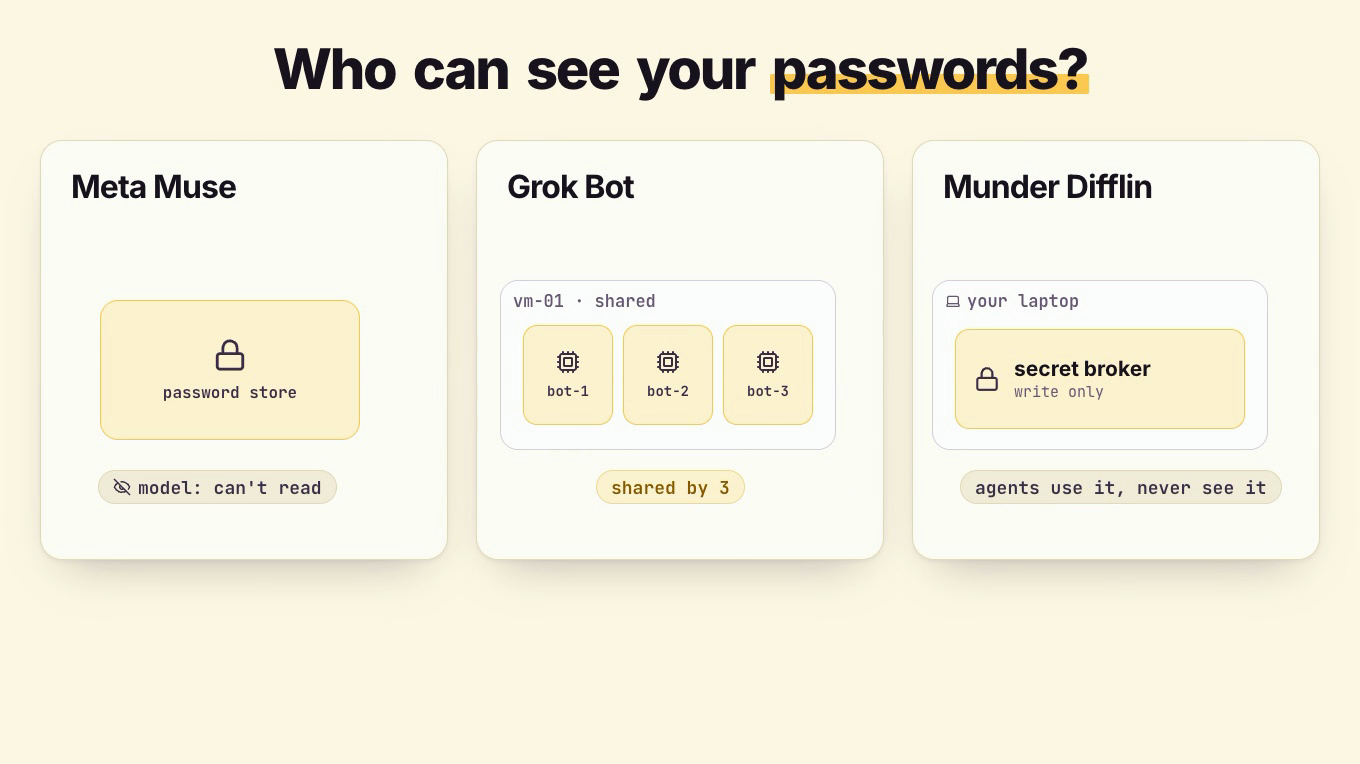
Meta Muse and Grok Bot both ask for your logins. We read both companies' security docs: who sees your passwords, what trains on your chats, and how to keep AI agents on your own computer instead.
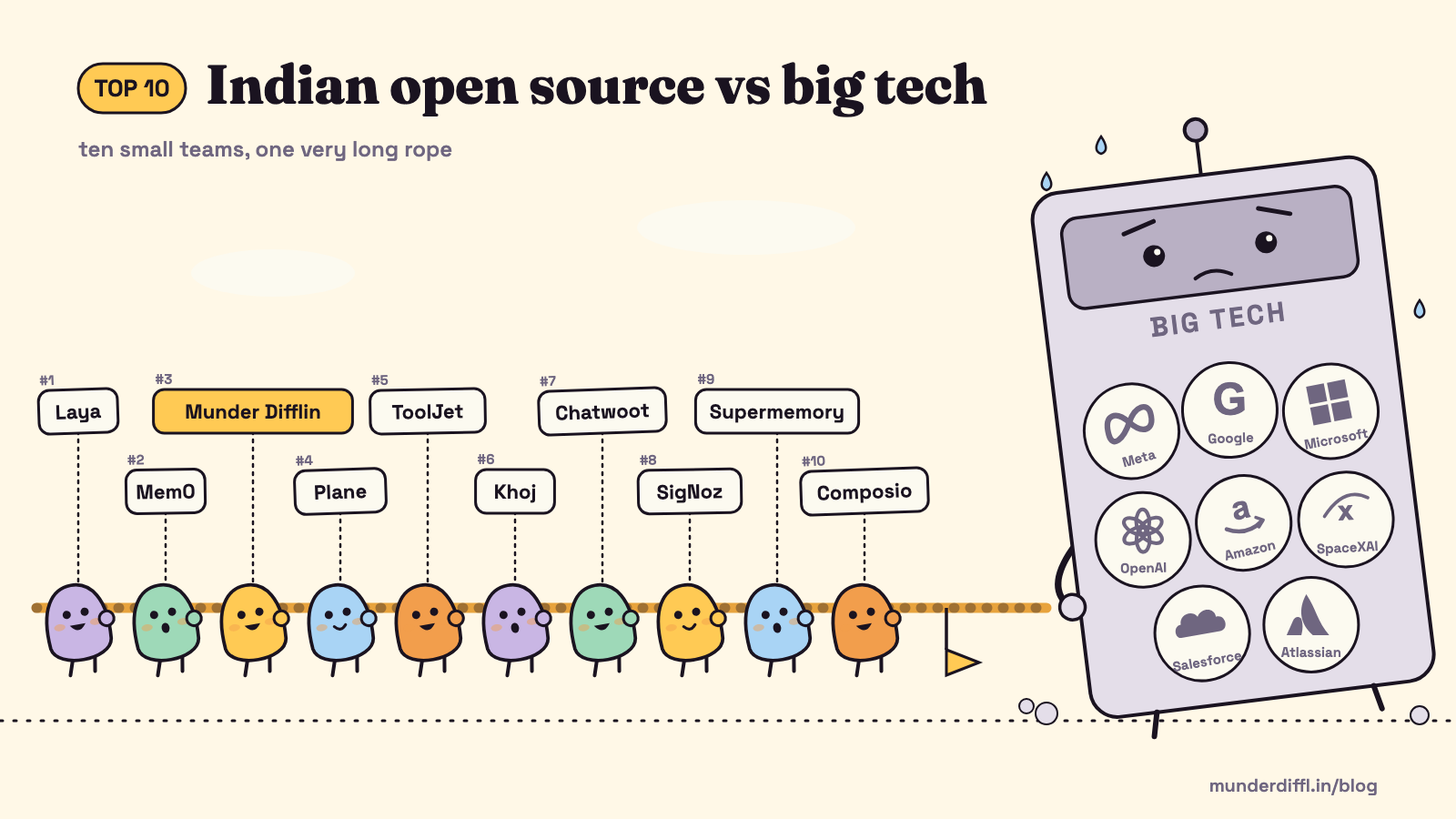
Ten open source AI projects from Indian developers, each lined up against the big tech product it takes on. Laya vs Jev, Munder Difflin vs Muse and Grok Bot.
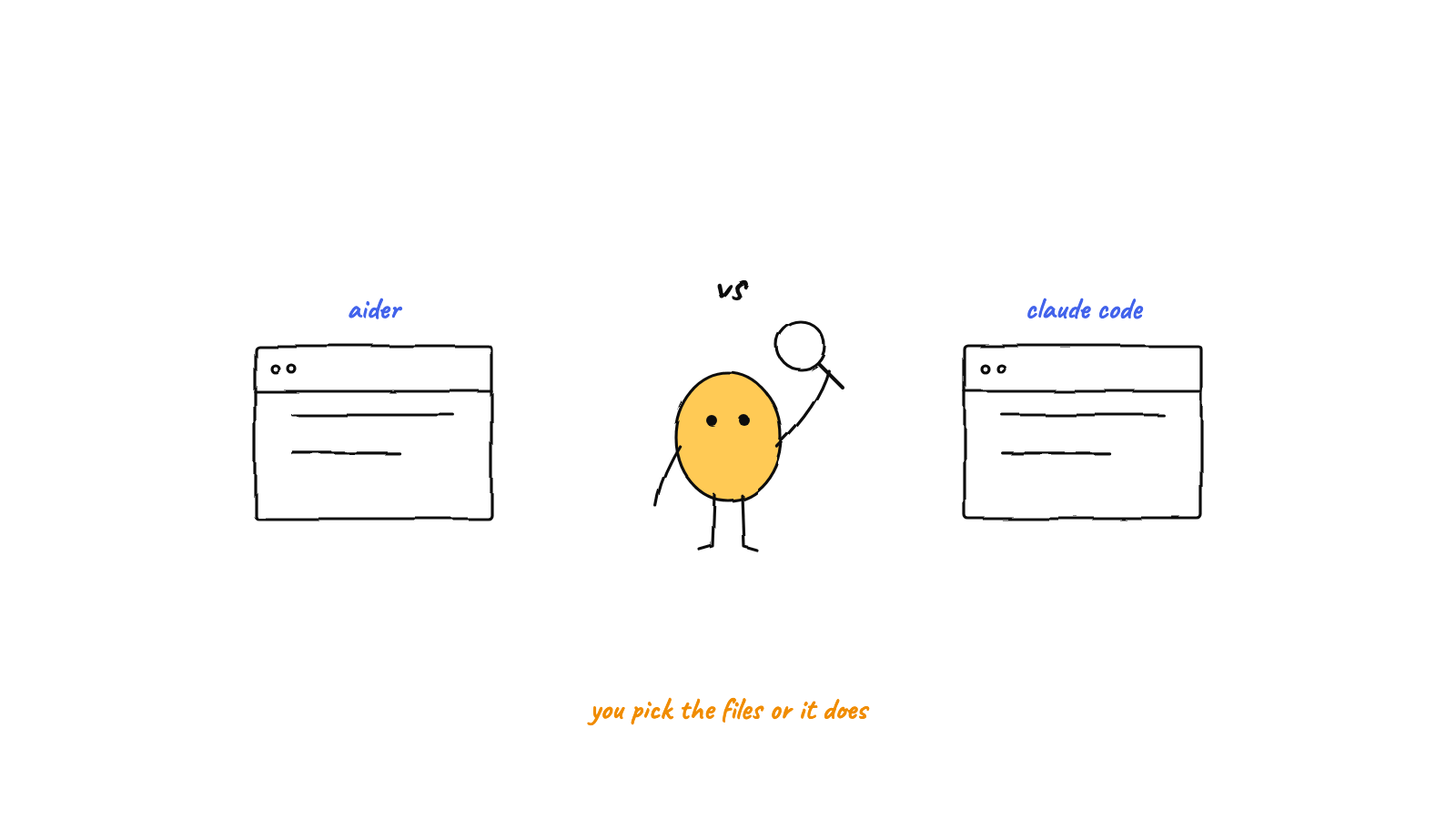
Aider vs Claude Code, checked 15 Sep 2026: how each edits code, which models it runs, what it costs, MCP, and Aider's stalled releases.
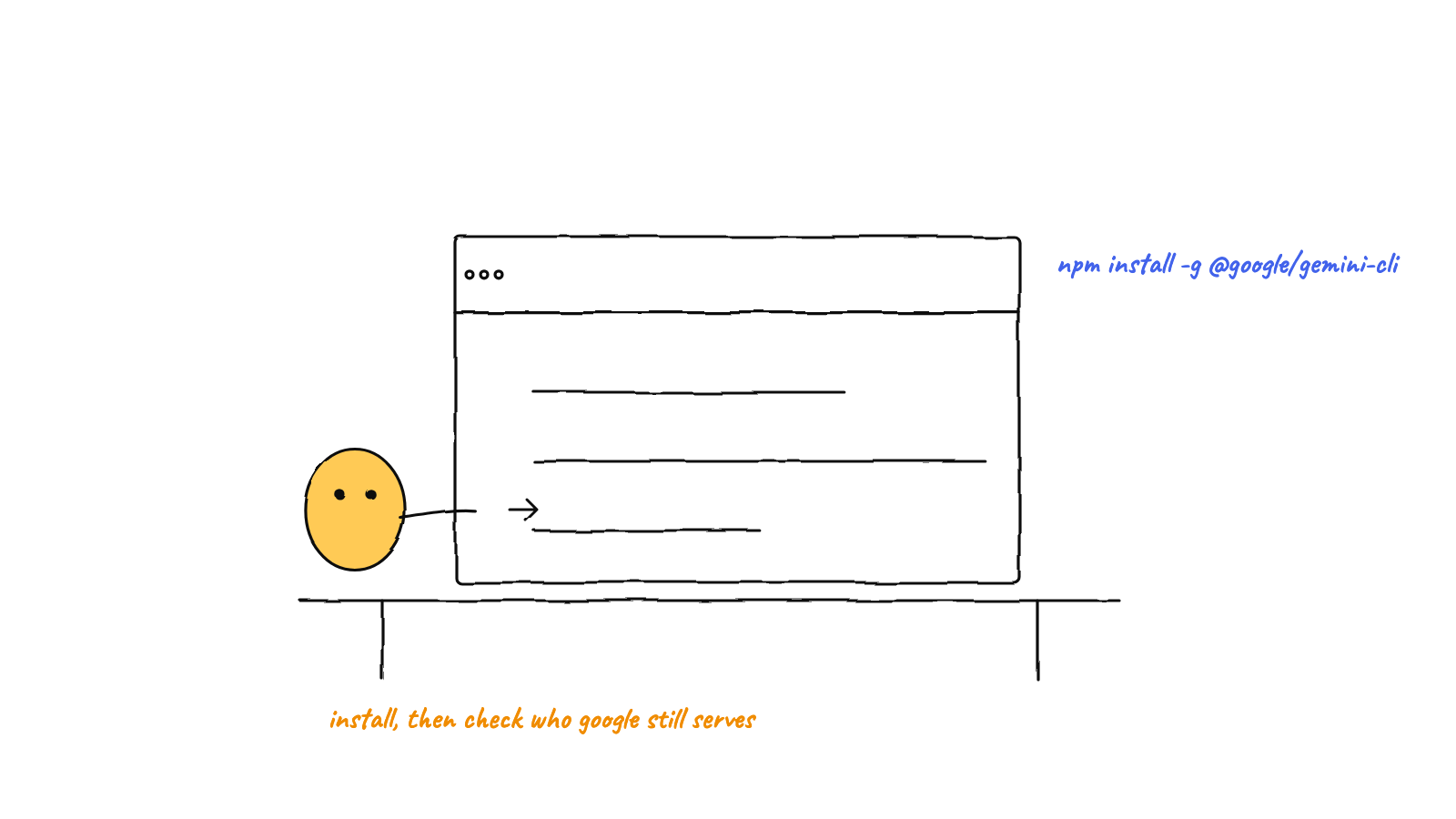
Install Gemini CLI 0.62.0 with one npm command, see which sign ins still work after 18 Jun 2026, and why Gemini 4 Argon isn't in it yet.
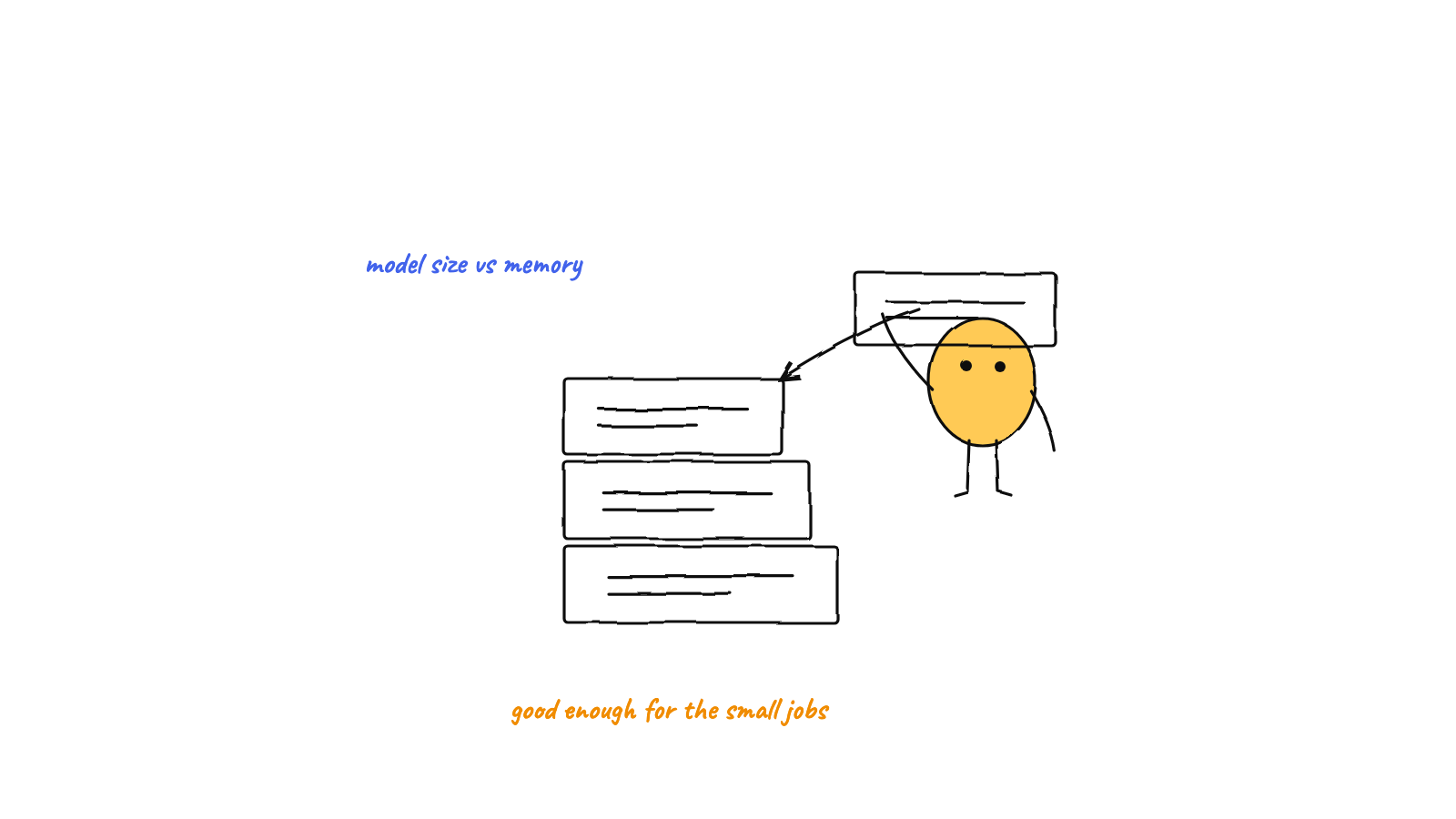
Ollama only runs the model, so the answer depends on which one you pull and your memory. What local models do well, where Claude wins, and a verdict.
Grok Bot runs every Bot on one shared cloud computer in the US. Nine alternatives checked on 30 Sep 2026, from ChatGPT dots to open source agents you run.
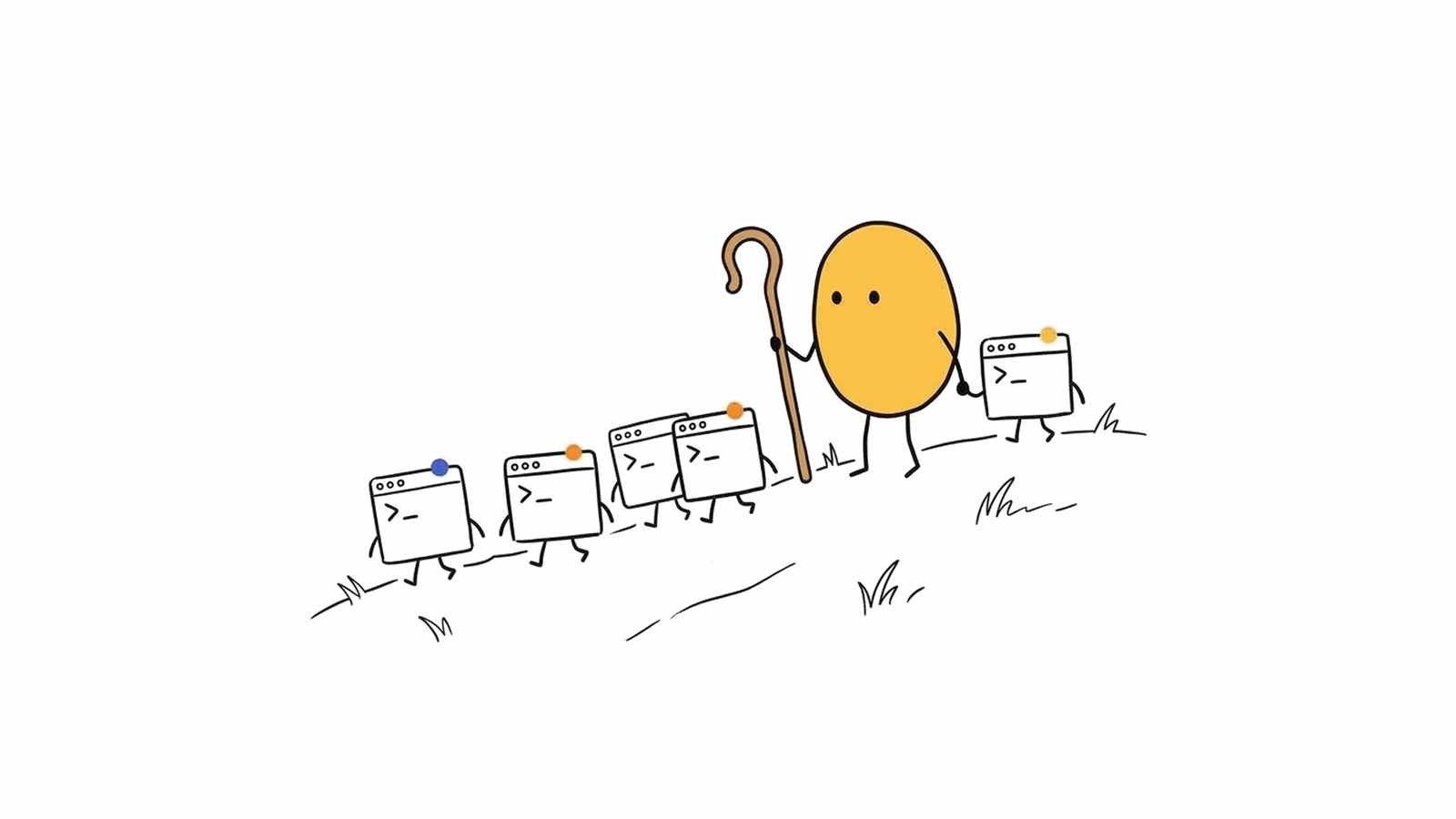
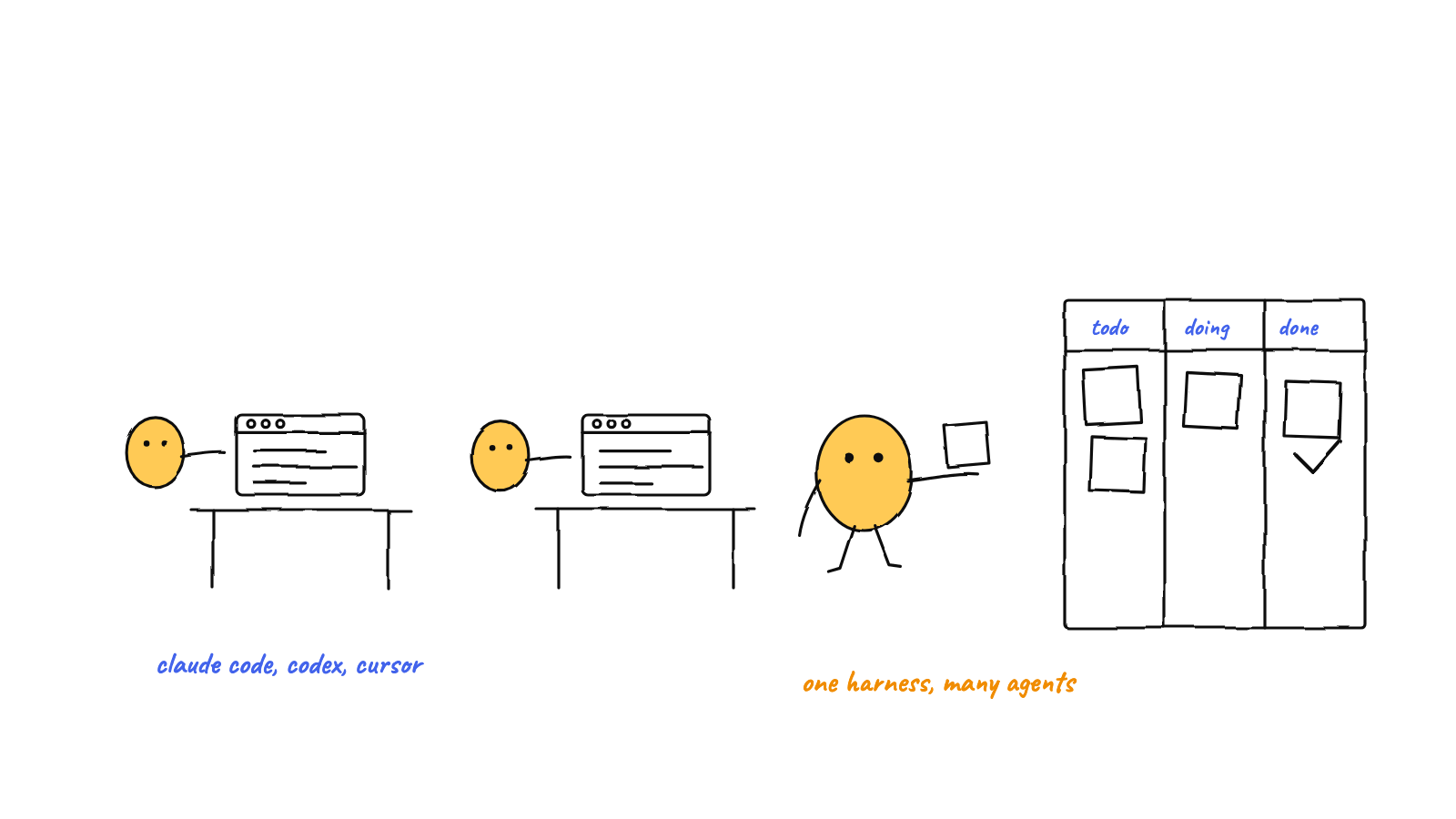
Herdr alternatives checked on 14 Sep 2026: tmux, Munder Difflin, Claude Squad, cmux, Orca, Conductor, Superset and Emdash, and who each fits.
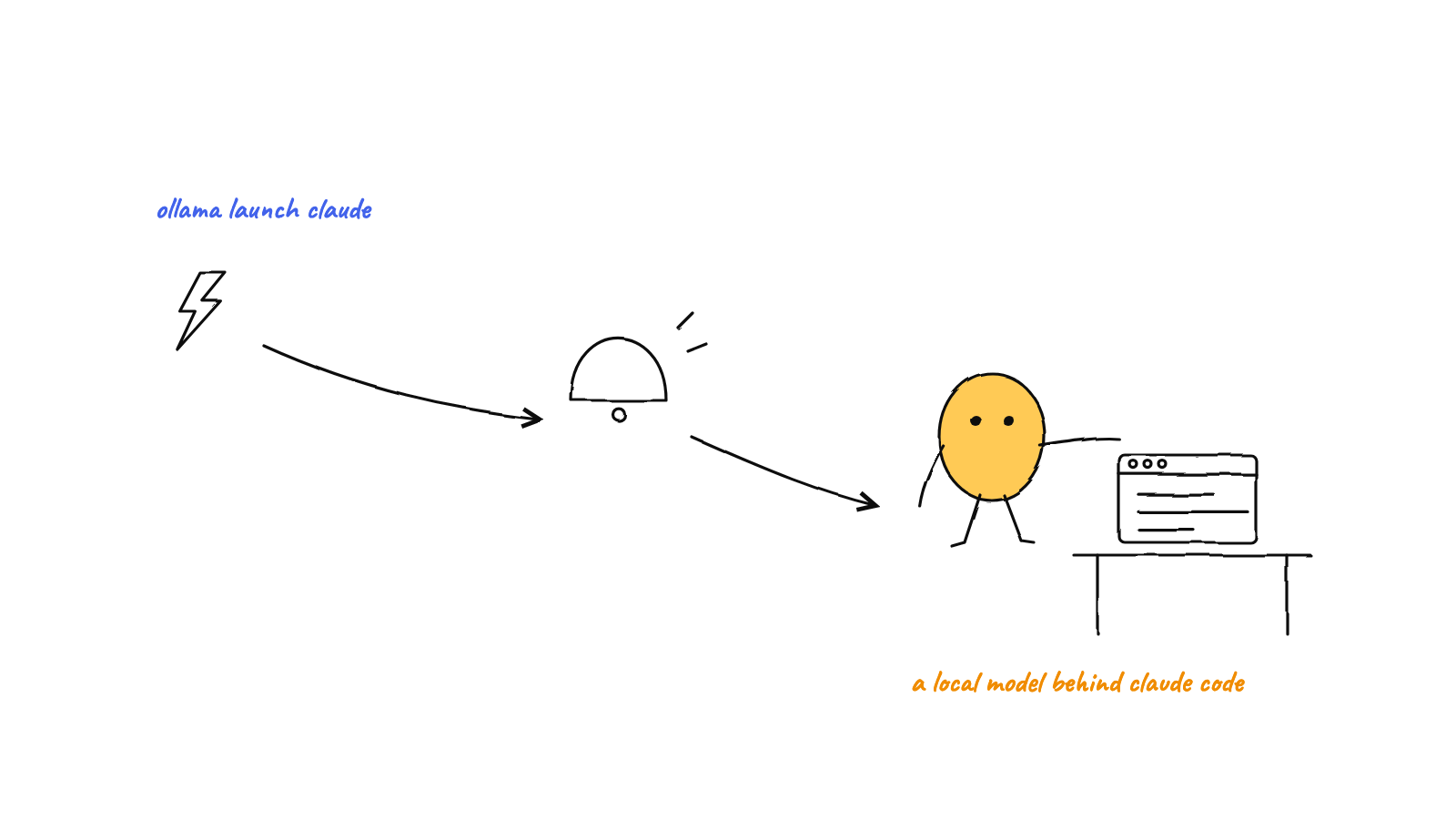
Point Claude Code at Ollama with ollama launch claude or three environment variables, give the model 64K of context, and know what stops working.
No. Claude Code is proprietary under Anthropic's terms. What its GitHub repo holds, what the 2026 leak changed, and which open tools sit around it.
OmniAgent is really Omnigent, the open source meta harness from Databricks. Alternatives checked on 14 Sep 2026, and who each one fits.
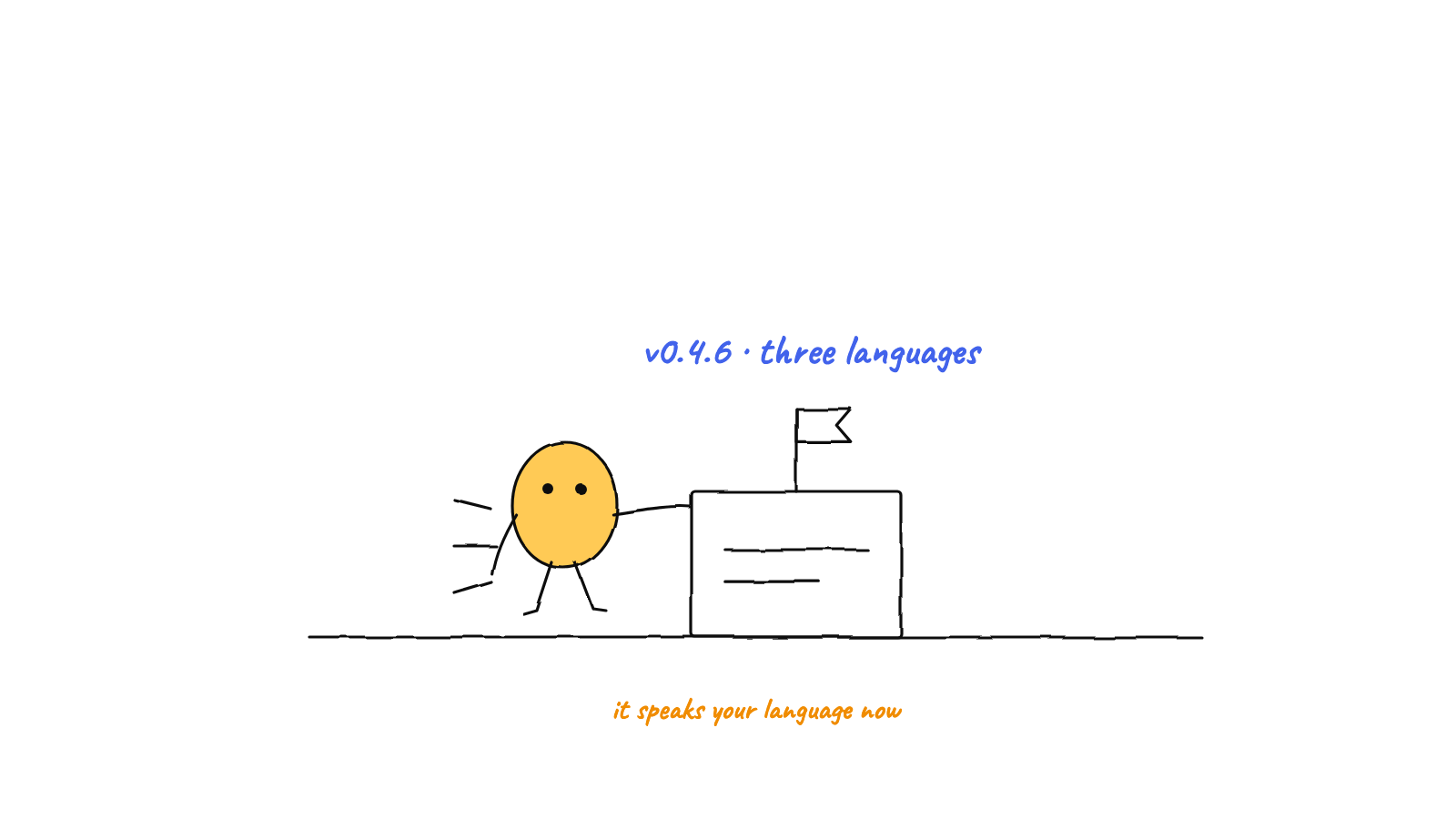
v0.4.6 adds Chinese and Arabic interfaces with right-to-left support, ships its fonts inside the app so nothing is fetched from Google, and makes the updater actually update itself instead of pointing at a download page.
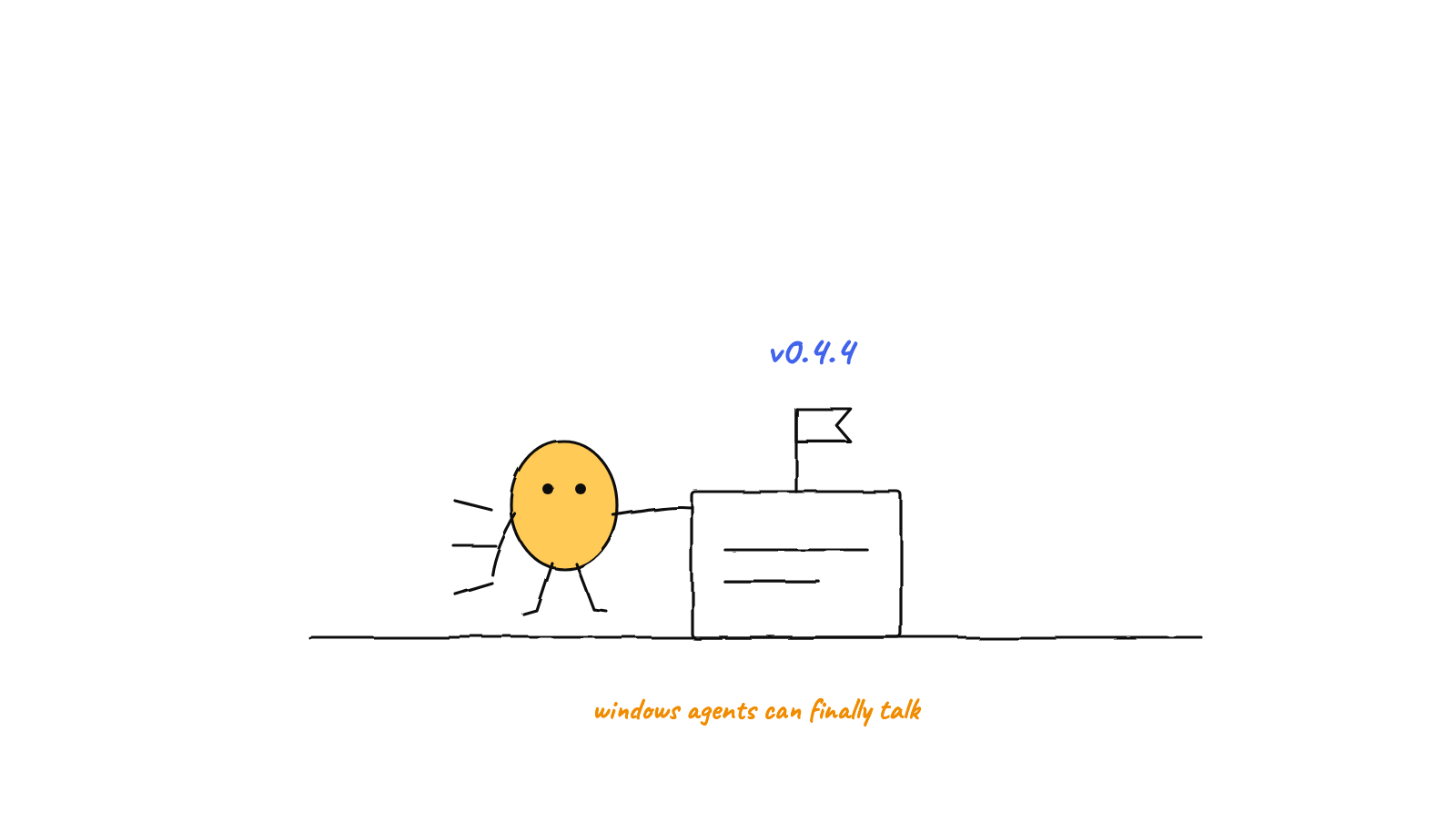
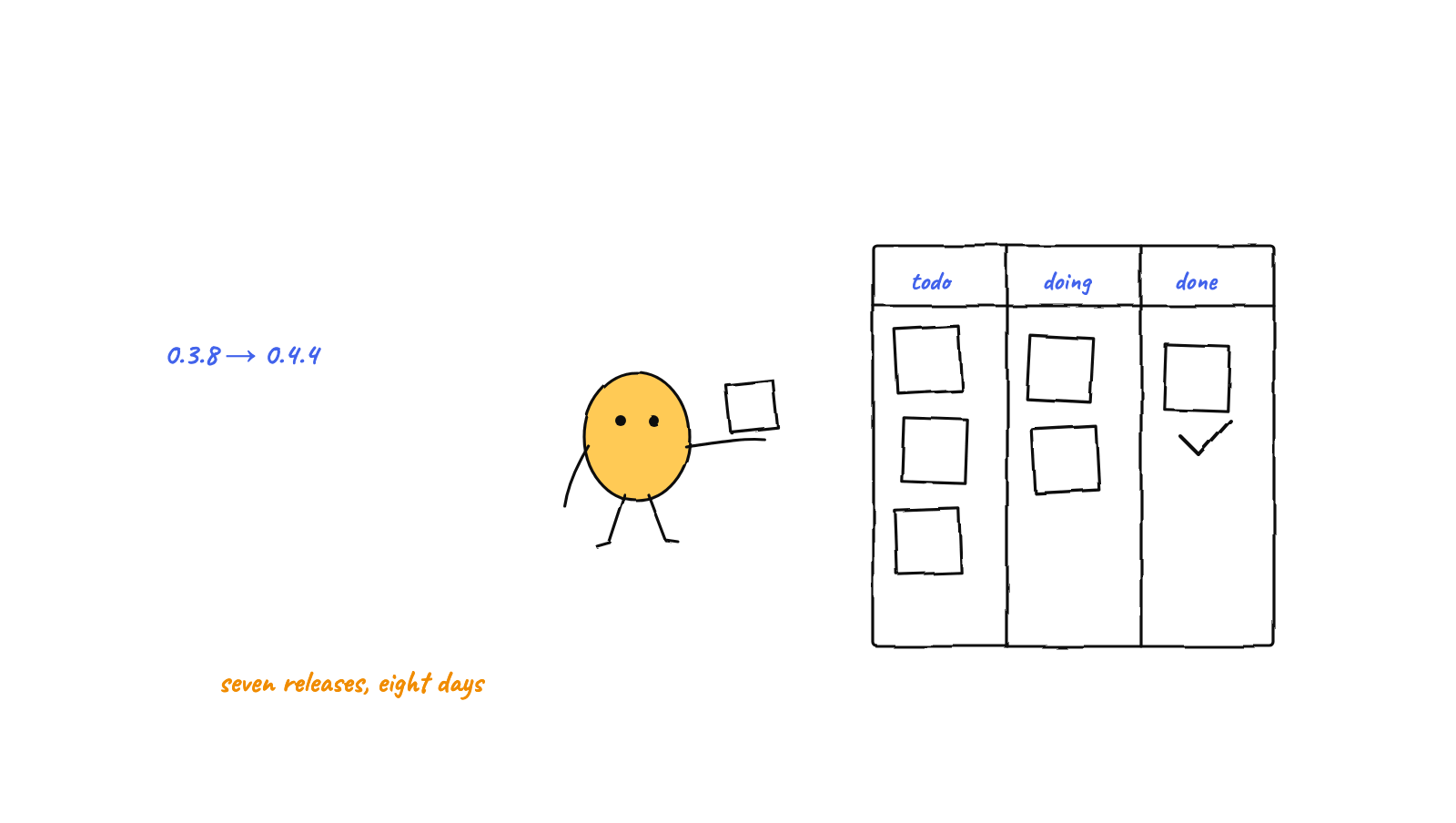
v0.4.4 fixes the bug that silently broke agent-to-agent messaging on Windows, starts hive services on the very first run, rebuilds dark mode so you can read it, and adds a 227-skill catalog, a Prerequisites page, and designed release notes.
Munder Difflin finished #5 Product of the Day on Product Hunt — ahead of DeepSeek's harness launch that day. The honest retro: who showed up, what they asked, and the two pieces of feedback we're already shipping fixes for.
Between August 11 and August 18 we shipped seven releases: memory condensation that finally works, an update checker, a whole new brand, a public telemetry contract, ten engines named honestly, and the Windows fix. The full tour.
Munder Difflin has a Discord now. Come watch releases land, get help with your floor, and earn the most thematically necessary contributor role in open source.
We launched across ten subreddits and then read every single comment. What landed, what got roasted, and what we shipped because of it.
Everything that shipped between v0.3.3 and v0.3.7 — a Michael who knows the floor and runs the app by voice, a git time-machine in the IDE, nine agent engines, a queue that respects your draft, Node that installs itself, and the auto-update bug that had been silently broken since the day we shipped it.
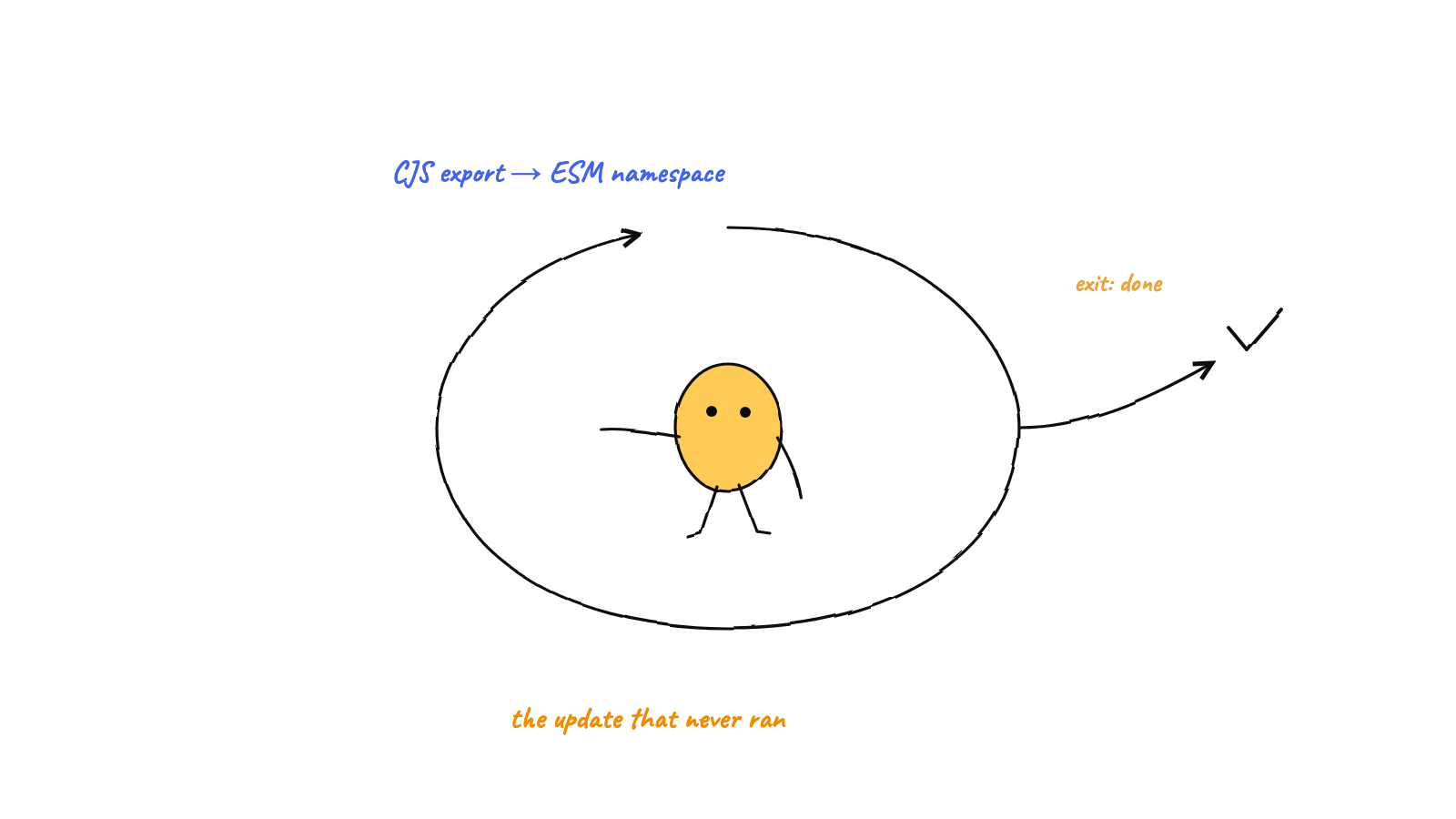
Munder Difflin shipped auto-update in v0.3.4 and it silently never worked in a single packaged build. The cause was one destructuring assignment across the CommonJS/ESM boundary — and a catch block that threw the evidence away. Here's how we found it, and what v0.3.7 changes.
The v0.3.4 + v0.3.5 wave: voice orchestration with live floor context and full app control, markdown previews everywhere, commit history and branch compare in the built-in IDE, a six-tab Settings redesign, xAI Grok and Kimi Code engines, auto-update, and a queue that always has an escape hatch.
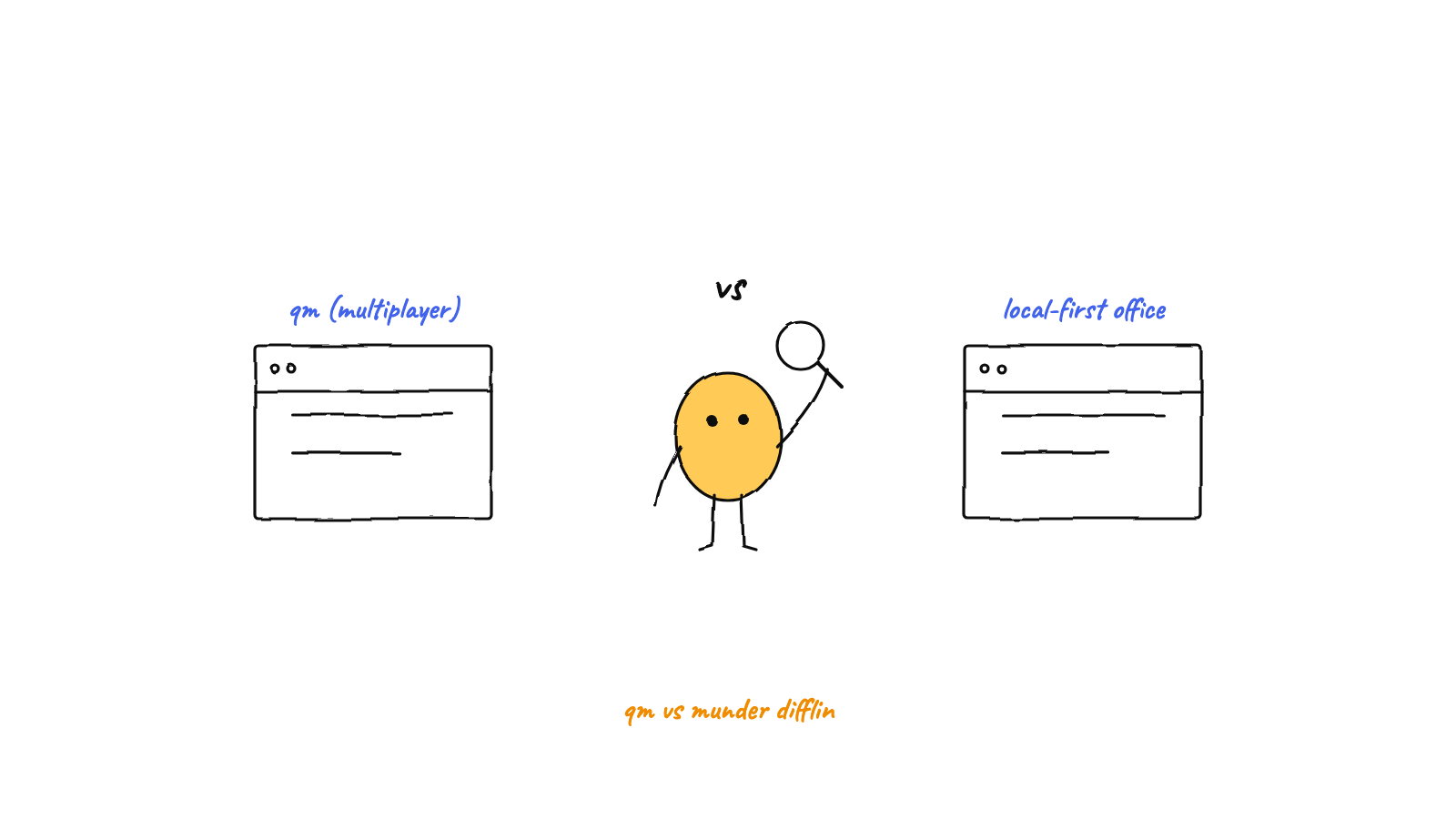
An honest September 2026 comparison of YC's qm and Munder Difflin. qm is a multiplayer agent harness a company deploys for Slack and the web. Munder Difflin runs an office of your clones on your own machine, with Teams to connect them.
Munder Difflin v0.3.3 adds a full Monaco IDE — file tree, editor tabs, save, and side-by-side git diffs of your agents' changes — plus GitHub Copilot CLI as a first-class agent engine, our first community-contributed provider.
Munder Difflin v0.3.2 adds Realtime Michael — a low-latency voice channel to the GOD orchestrator. Talk to Michael and he listens, answers, and acts: reading the hive and, behind spoken echo-back confirmation, dispatching, spawning, and steering the floor in real time.
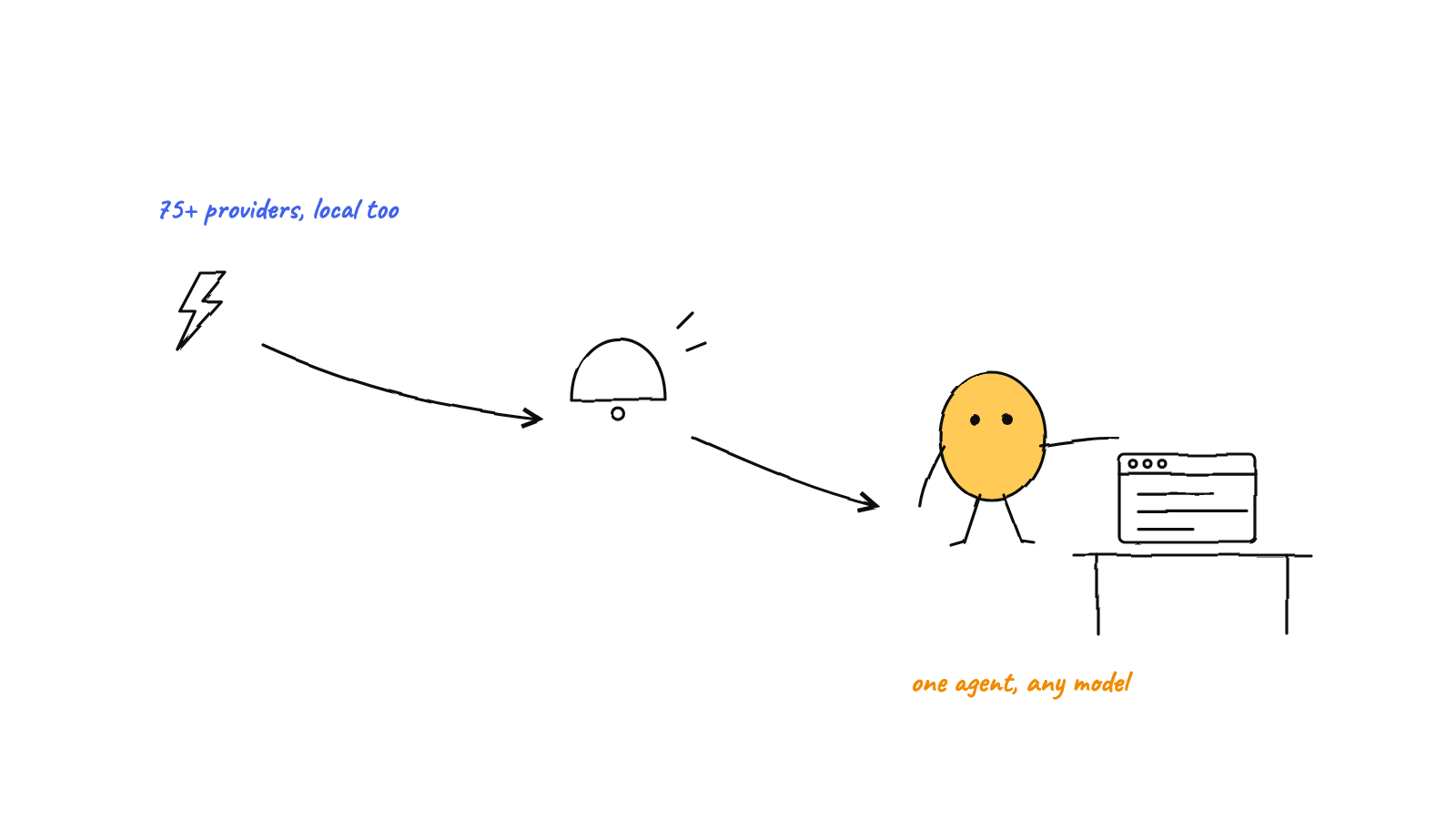
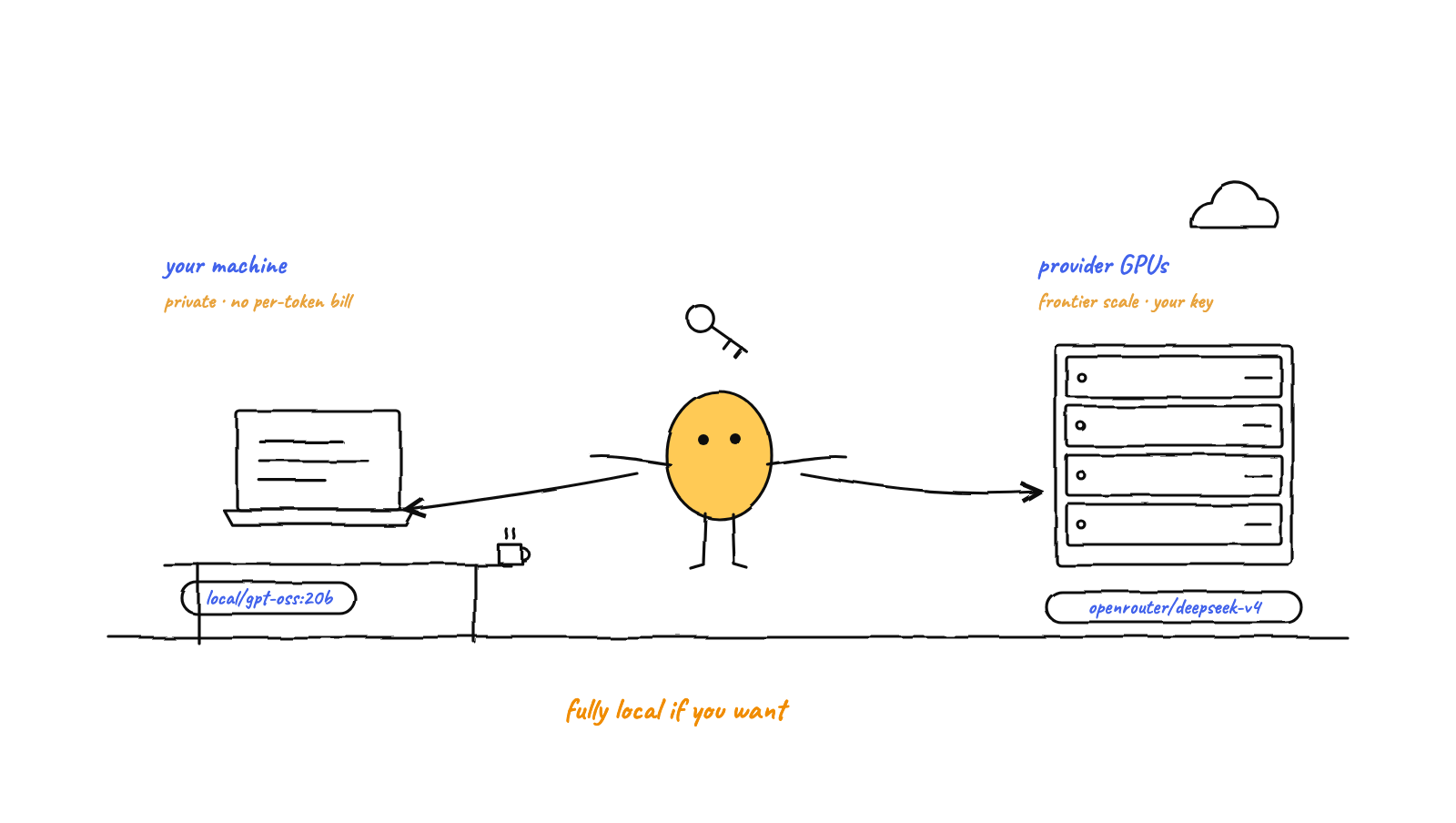
Munder Difflin can run your whole agent floor on open weight models like gpt-oss, Qwen3, DeepSeek, Llama, GLM and Kimi: fully local with Ollama, LM Studio or vLLM, or through a provider with your own key. The wiring for each engine, current as of 0.5.2.
Munder Difflin v0.3.0 makes every hire — and Michael himself — a pluggable engine, adds an integrations registry with a write-only secret broker, and lets the god orchestrator spawn an ephemeral worker straight from Slack.
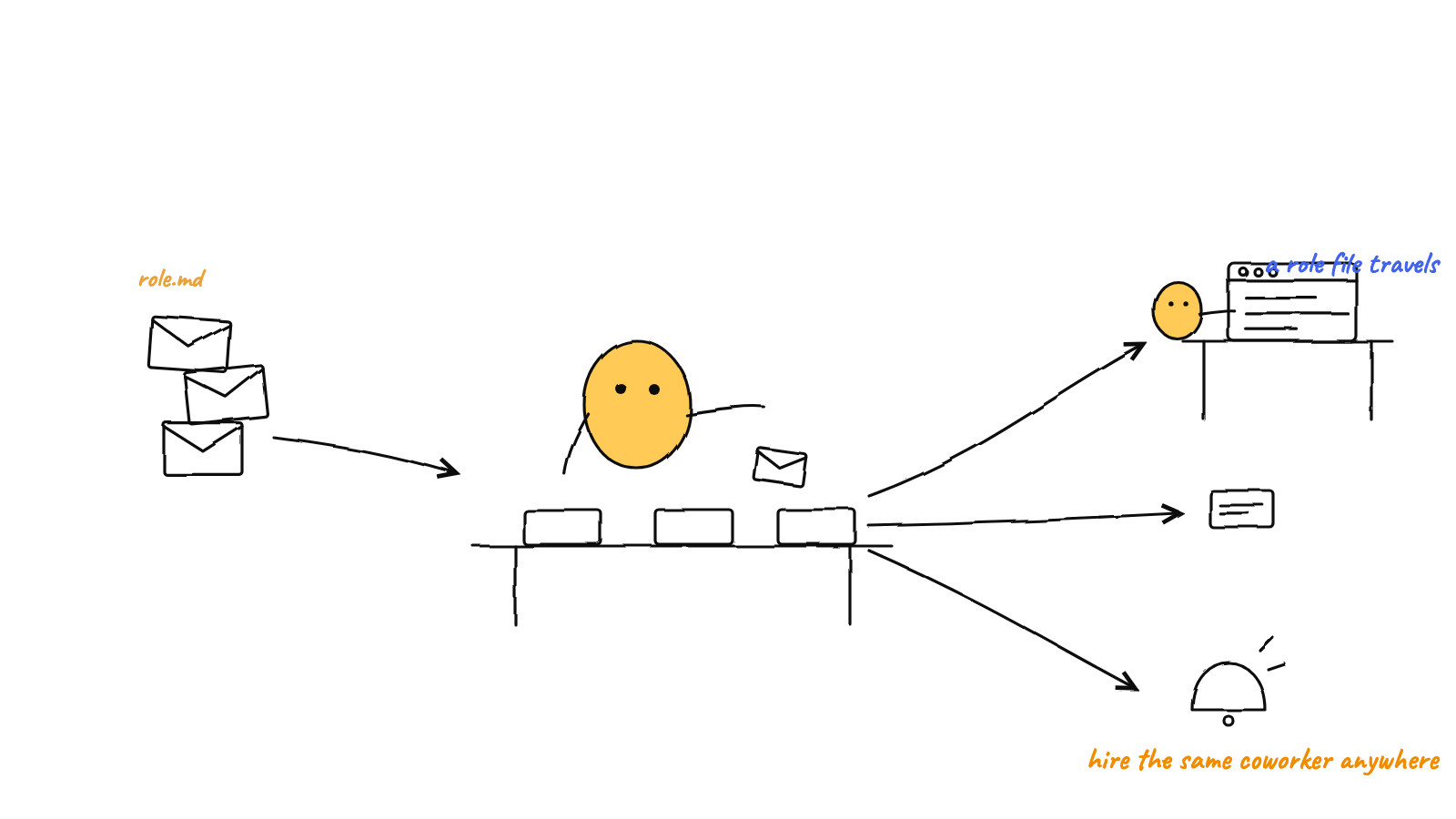
Munder Difflin v0.2.8 ships Shareable Hires: a one-click, portable agent role manifest + The Hiring Fair gallery. Click a hire link, review every field, then spawn it yourself.
Why agent roles should be portable: what a hire manifest encodes, how one-click hiring stays safe, and how The Hiring Fair turns tacit setup into a shareable artifact.
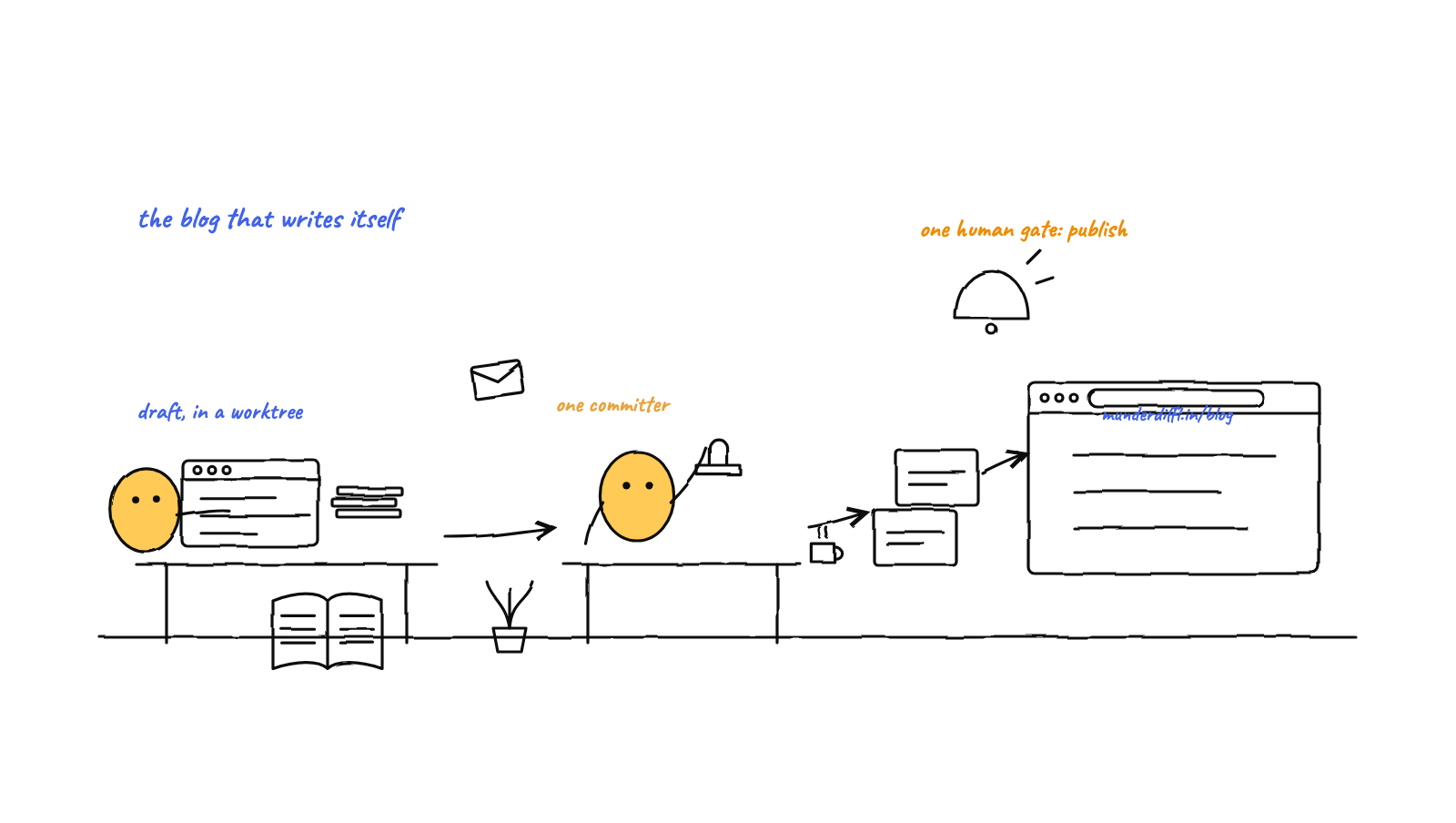
How the Munder Difflin blog is written by agents in our own office: a brief, a house style, a draft in its own worktree, drawings made in code, a pull request, and one human merge. The pipeline, and how to build your own.
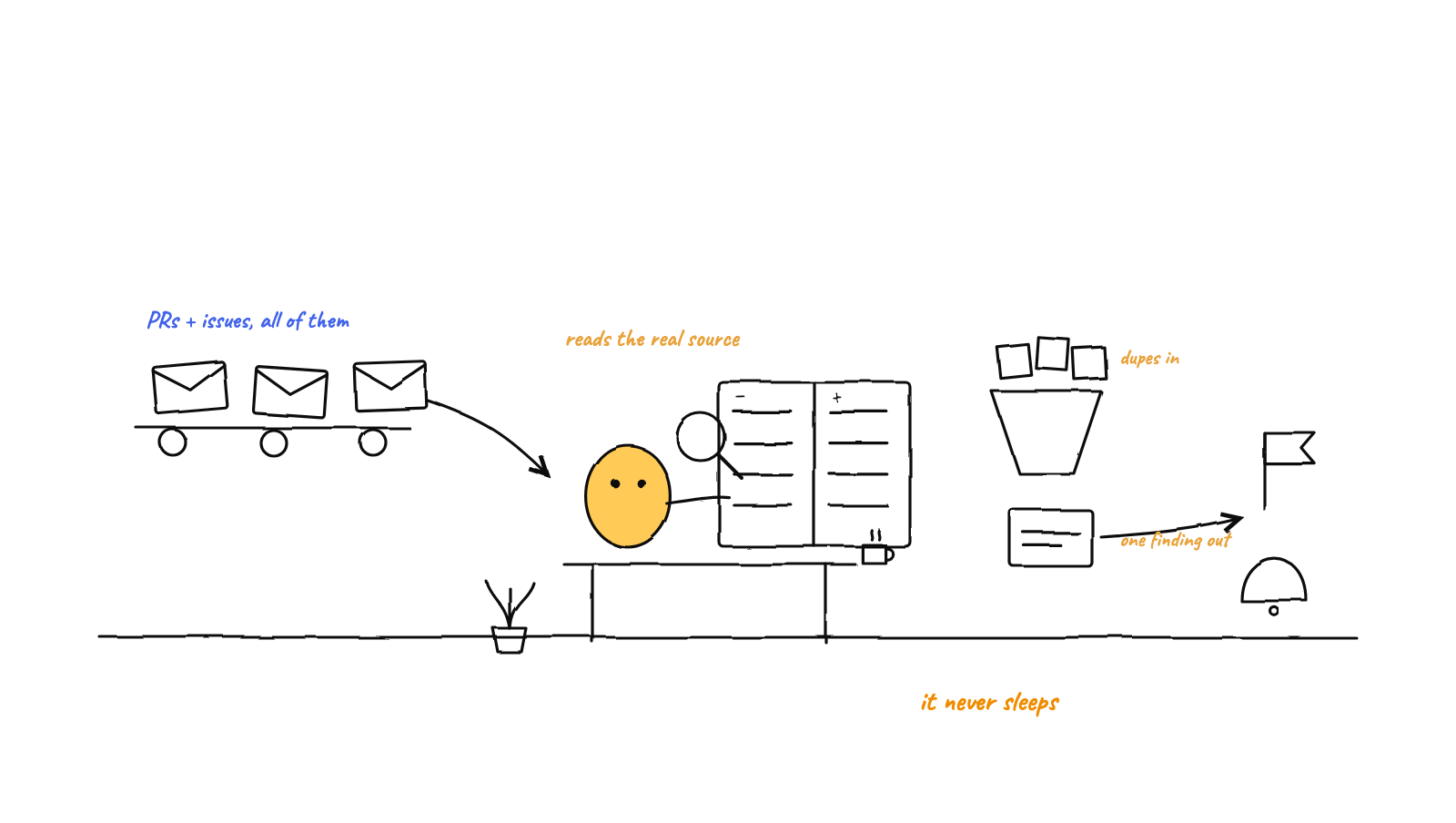
A how-to for standing up a fully automated PR-reviewing agent in Munder Difflin — one that reads your real source (not just the PR description), de-dupes noise, and only escalates what matters. With a real triage run that turned 22 duplicate firings into a clean v0.2.5 patch queue.
Munder Difflin v0.2.4 is here: Claude Code, OpenAI Codex, and Antigravity (Gemini) agents now run as one hive with full parity — no API keys, no setup. Brief a GOD orchestrator, automate basically anything in one prompt, and close the lid while it keeps working.
Munder Difflin v0.2.0 is here: a Command Center overhaul, per-agent token budgets, live OpenTelemetry observability, a circuit breaker, durable SQLite persistence, and a big round of community fixes.
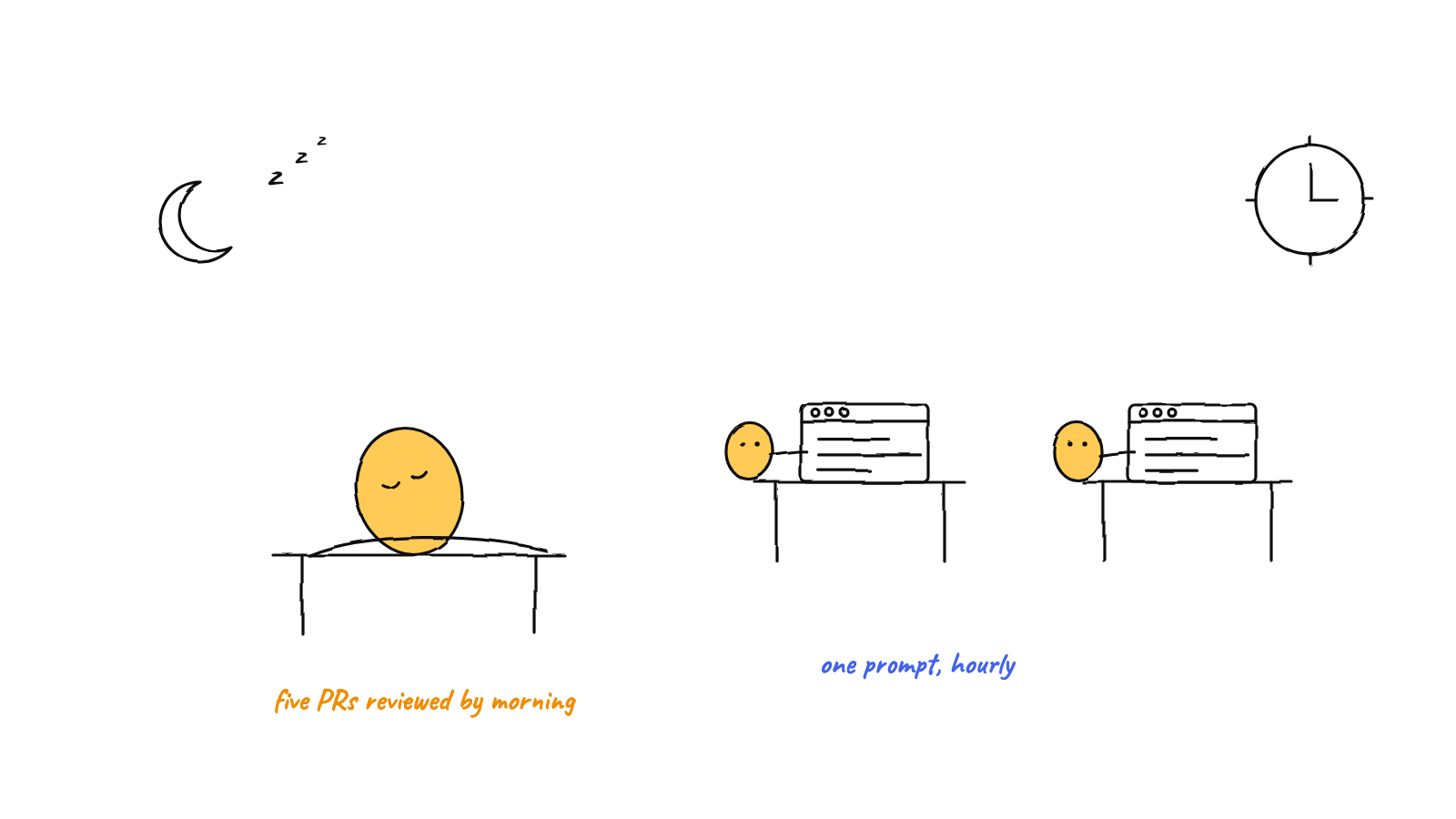
How a single prompt to the Munder Difflin god agent reviewed all open PRs and set up a recurring hourly PR reviewer — while the repo was blowing up with 400+ stars.
Agents touch your code, keys, and memory. That's why agent tooling should be open source and local-first — so you can verify it, not just trust it.
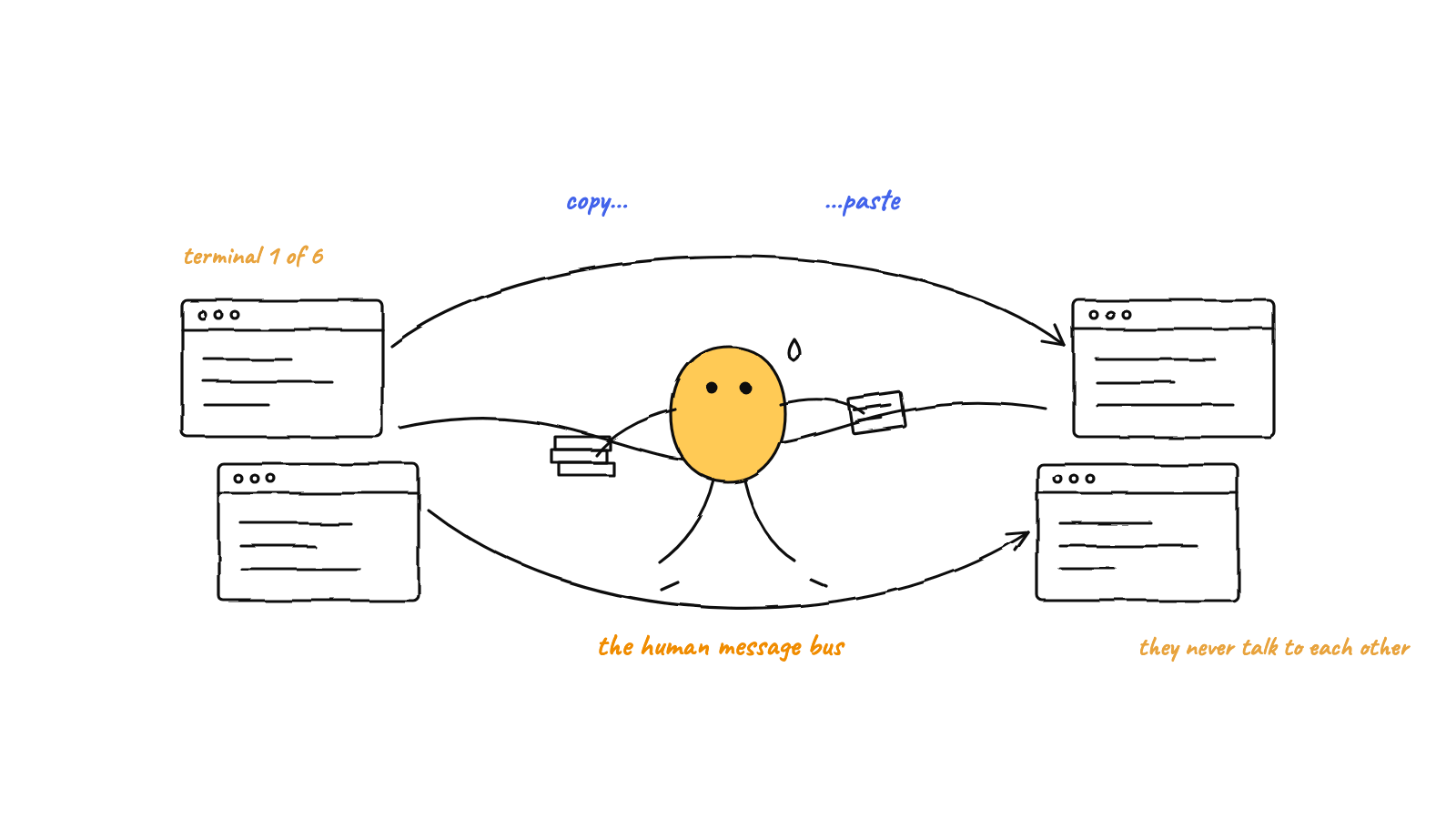
The origin story of Munder Difflin — how the pain of juggling Claude Code terminals led to a coordinated, memory-backed hive of agents you can watch.