Grok Bot Alternatives: 9 Picks, Hosted or on Your Computer
Grok Bot runs every Bot on one shared cloud computer in the US. Nine alternatives checked on 30 Sep 2026, from ChatGPT dots to open source agents you run.
The best Grok Bot alternatives are ChatGPT dots for another always on agent with its own cloud computer, Munder Difflin or OpenClaw for agents on your own computer, and Claude Cowork, Gemini Spark or Meta Muse if you live in those apps. Every pick was rechecked on vendor pages on 30 Sep 2026.
By Grok Bot we mean SpaceXAI’s agent app, hosted by Cursor, not the Grok chatbot on X.
What is Grok Bot?
Grok Bot is a team of AI agents, called Bots, that work on a cloud computer of their own. SpaceXAI announced it in beta on 11 Aug 2026. A Bot signs into your tools, works across apps and websites, and comes back when it needs your approval. SpaceXAI’s FAQ says closing the app, laptop or phone does not stop a background turn or routine.
The pitch is a chief of staff Bot on top with a specialist for each lane: inbox, expenses, recruiting, bug fixes. That is a multi agent harness, hosted for you.
Cursor’s Grok Bot plans page says access comes with every paid individual Cursor plan and Cursor Teams. Cursor’s Individual plan started at $20 a month on 30 Sep 2026. Desktop builds cover macOS, Windows and Linux, with apps for iPhone and Android. Grok Bot pricing walks through every tier.
Why look for a Grok Bot alternative?
People leave over where it runs, what each Bot can reach and who picks the model, all set out in SpaceXAI’s security FAQ (read 30 Sep 2026).
It only runs in Cursor’s cloud, in the United States today. On premises and bring your own image deployments are not supported. Each user gets an isolated microVM. If you’d rather keep work on your desk, read why local first matters for AI agents.
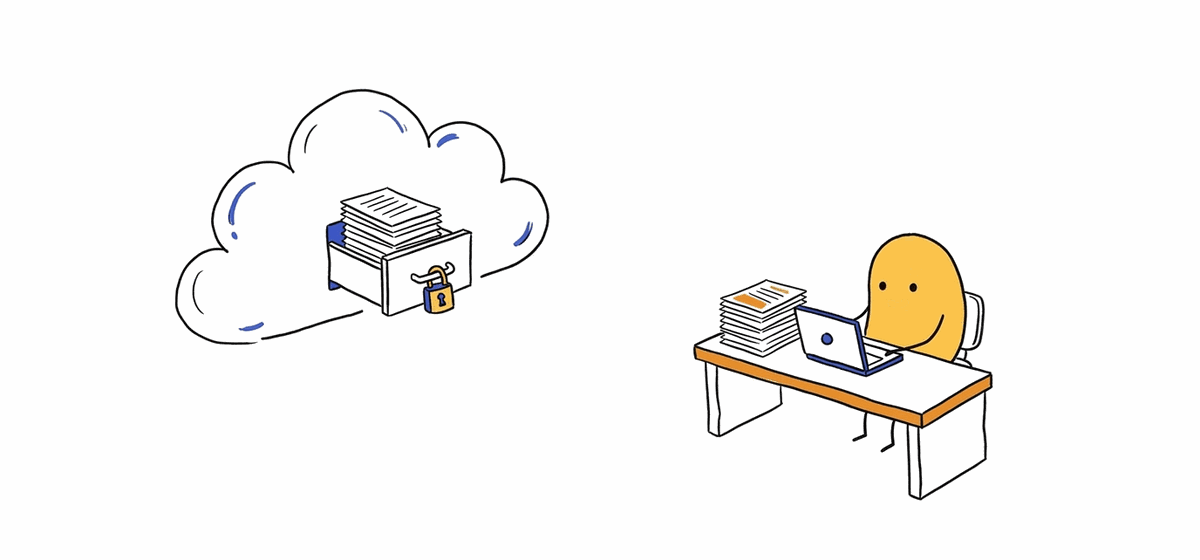
Every Bot shares one computer. The security FAQ tells you to treat a login or file on that computer as available to every Bot you run, and the general Grok Bot FAQ says plainly not to use separate Bots as a security boundary. Your errands Bot’s shop login is your recruiting Bot’s too. Auto Review checks shell commands and plugin calls, but not every side effect, memory writes included.
Cursor picks the model. There is no model picker. Enterprise teams can set an allowlist, and onboarding warns that Grok Bot may not follow it. A helper that reads the open web, holds your logins and can send email is the risky mix called the lethal trifecta.
What are the best Grok Bot alternatives?
Nine, each tagged with where it runs: four in a vendor’s cloud, one hosted with a local mode, and four on hardware you control.
1. ChatGPT dots (OpenAI’s cloud). The closest match. OpenAI launched dots on 29 Sep 2026: an always on agent with its own cloud computer and browser, plugins for over 4,000 apps, scheduled tasks, and a read only background mode that looks for ways to help. At launch you get one primary dot, not a team. Your first dot comes with Pro or Business Premium, and personal Pro skips the EEA, Switzerland and the UK. Our ChatGPT dots alternatives list asks the same question from OpenAI’s side.
2. Munder Difflin (your computer). Munder Difflin is what we make: a free and open source (MIT) desktop app for macOS, Windows and Linux that runs a team of coding agents on your own computer (checked in the v0.5.3 source). Each agent drives a CLI you already use, from Claude Code, Codex and Gemini CLI to Cursor, Grok and seven more. A Slack message can start work, missions run on a schedule, and with your own OpenAI API key you can direct the floor by voice; destructive actions like kill, pause or a schedule change wait until you confirm out loud. The honest limits: agents stop when your computer does, it will not clear your inbox, and anonymous usage telemetry is on by default (you can turn it off in Settings). Start with how to install and use Munder Difflin.
3. ChatGPT Work (OpenAI’s cloud, or your desktop). Work is ChatGPT’s agent for longer jobs. OpenAI’s Work help page says it runs in the cloud for eligible paid plans, can use local files in the desktop app with your permission, and can run on a schedule or when a Gmail, Slack or GitHub event fires. Unlike Grok Bot, it has a model picker.
4. Claude Cowork (Anthropic’s cloud). Anthropic’s Cowork help page says the work runs on Anthropic’s servers in an isolated environment (in beta), scheduled tasks don’t need your computer awake, and Claude asks before permanently deleting files. Since 16 Sep 2026 Anthropic has been folding Cowork into the main Claude app, Pro and Max first. It is on paid Claude plans; Claude Pro was $20 a month, billed monthly, on 30 Sep 2026.
5. Gemini Spark (Google’s cloud and your Chrome). Google’s Spark help page says it needs Google AI Pro or Ultra, a personal Google account and an age of 18 or over, and asks before sending messages, changing data or buying things. If your device goes off mid task, Spark might finish in a remote browser.
6. Meta Muse (Meta’s cloud). On 29 Sep 2026 Meta called Muse “a personal AI agent available in the US and Canada”. It runs in a dedicated virtual machine, keeps working after you close the app, and is free for most use. Meta’s subscriptions page listed Power at $20 a month and Max at $100 on 30 Sep 2026. See Meta Muse vs Grok Bot.
7. OpenClaw (your computer). OpenClaw is the closest thing to a personal assistant you own. It answers in WhatsApp, Telegram, Slack, iMessage and 20+ other channels, keeps state, memory and credentials on your hardware, and treats models, local ones included, as swappable plugins. There is no paid tier. The catch: tools run straight on your machine in the main session unless you set up sandboxing.
8. Hermes Agent (your computer or server). Hermes Agent from Nous Research is the pick if memory matters most. It curates its own memory, writes skills after complex tasks, runs cron jobs and talks over Telegram, Slack, WhatsApp or Signal. hermes model switches between providers such as OpenRouter, OpenAI or your own endpoint.
9. NanoClaw (your computer, in containers). NanoClaw is the direct fix for Grok Bot’s shared computer. Each agent group gets its own Linux container and memory and sees only the folders you mount. It runs on Anthropic’s Claude Agent SDK by default and needs Docker.
How do the Grok Bot alternatives compare?
The split that matters is whether work carries on with your laptop shut. Vendor pages and GitHub releases were read on 30 Sep 2026 (OpenClaw v2026.9.7, Hermes Agent v2026.9.24, NanoClaw v2.4.0).
| Agent | Runs on | Works with laptop shut | Model choice | Who can get it | Price to start |
|---|---|---|---|---|---|
| Grok Bot | Cursor’s cloud, US | Yes | No, Cursor picks | Paid Cursor plans or linked SuperGrok | Cursor Individual, $20/month on 30 Sep 2026. |
| ChatGPT dots | OpenAI’s cloud computer | Yes | OpenAI models | Pro outside EEA, Switzerland, UK; Business Premium | ChatGPT Pro, $100/month on 30 Sep 2026. |
| Munder Difflin | Your computer | No | Yes, a CLI engine per agent | Anyone on macOS, Windows, Linux | Free and open source. |
| ChatGPT Work | OpenAI’s cloud or your desktop | Yes, for cloud tasks | OpenAI models, with a picker | Eligible paid ChatGPT plans | Included in eligible paid ChatGPT plans. |
| Claude Cowork | Anthropic’s cloud | Yes | Claude models | Paid Claude plans | Claude Pro, $20/month on 30 Sep 2026. |
| Gemini Spark | Google’s cloud and your device | Partly, via a remote browser | Google models | Google AI Pro or Ultra; not EEA, Switzerland, UK, Nigeria | Google AI Pro, price varies by country. |
| Meta Muse | Meta’s cloud VM | Yes | Meta models | US and Canada | Free tier. |
| OpenClaw | Your computer | Only if it stays on | Yes, hosted or local | Anyone | Free and open source (MIT). |
| Hermes Agent | Your computer or server | On a server, yes | Yes, any provider | Anyone | Free and open source (MIT). |
| NanoClaw | Containers on your computer | Only if it stays on | Claude by default, others as add ons | Anyone with Docker | Free and open source (MIT). |
Is there a free or open source Grok Bot alternative?
Yes: OpenClaw, Munder Difflin, Hermes Agent and NanoClaw are all free and open source. The software costs nothing, but a model still does. Munder Difflin drives the CLIs you already have, so the Claude or ChatGPT subscription you pay for today does the work.
The trade is setup and uptime: you need a machine that stays on, or a small server, and security becomes your job. Meta Muse is the only hosted pick with a free tier, and only in North America.
Gemini Spark vs Grok Bot: which is better?
Grok Bot is better for most people outside Google’s world, and Spark is better if your day already happens in Gmail and Calendar. Grok Bot gives you several Bots on a persistent cloud computer. Spark is one personal agent in the Gemini app that works from your device, falling back to a remote browser when the device goes off, and it is closed to the EEA, Switzerland, the UK, Nigeria and work or school accounts.
Is Grok Bot worth it?
Grok Bot is worth it if you want almost no setup and are fine with the cloud. A team of helpers that works with the lid shut is hard to build yourself. Look elsewhere if you need your data outside the United States, a model you choose, or a wall between one helper and the next.
- Pick ChatGPT dots if you want the same always on idea from OpenAI and one agent is enough.
- Pick Munder Difflin if the work is code and you want several agents, each on the engine that suits it, on your own computer.
- Pick Claude Cowork for reports, files and research in the cloud.
- Pick Gemini Spark if Google apps are your office and you live outside Europe.
- Pick Meta Muse for a free hosted agent in the US or Canada.
- Pick OpenClaw, Hermes Agent or NanoClaw if memory, logins and the model must sit on hardware you own.
Grok Bot’s shared computer is a bit like Dunder Mifflin’s shared fridge: fine until someone labels nothing and eats your lunch.
FAQ
Is Grok Bot free?
Only as a trial. Cursor's Grok Bot plans page, checked on 30 Sep 2026, describes the trial as a usage credit with a seven day window. After that you need a paid individual Cursor plan, Cursor Teams, or a linked individual SuperGrok, SuperGrok Plus, SuperGrok Heavy or X Premium+ account. SuperGrok Lite does not include it.
What is the best free alternative to Grok Bot?
OpenClaw for a personal assistant in your chat apps, Munder Difflin for a team of coding agents, and Hermes Agent for memory that learns. All three are free and open source and run on hardware you control, but you still pay for the AI model or use a subscription you already have. Meta Muse has a free hosted tier in the US and Canada.
Is Gemini Spark better than Grok Bot?
Only if your work lives in Gmail, Drive and Calendar and you are outside Europe. Spark needs Google AI Pro or Ultra and a personal Google account, and Google excludes the EEA, Switzerland, the UK and Nigeria. Grok Bot has its own always on cloud computer and several Bots, and it comes with paid Cursor plans.
Can you choose which model Grok Bot uses?
No. SpaceXAI's security FAQ says Cursor manages model selection and there is no model picker for customers. Enterprise teams can set a model allowlist, but the same page says enforcement is not guaranteed.
Is Grok Bot the same as Grok on X?
No. Grok on X is the Grok chatbot inside the X app. Grok Bot is a separate agent app whose Bots work on their own cloud computer, sign into your tools and run routines, and SpaceXAI lists the two as separate products.