Agent Tools Today, 3 Oct 2026: Claude Code Mods, OpenDots, Conductor Mobile
The top 5 launches, skills and MCP servers, multi agent moves, rising repos and arguments in coding agents on 3 Oct 2026, each with its source.
News
Read →
Tag
63 posts tagged Claude Code.
The top 5 launches, skills and MCP servers, multi agent moves, rising repos and arguments in coding agents on 3 Oct 2026, each with its source.
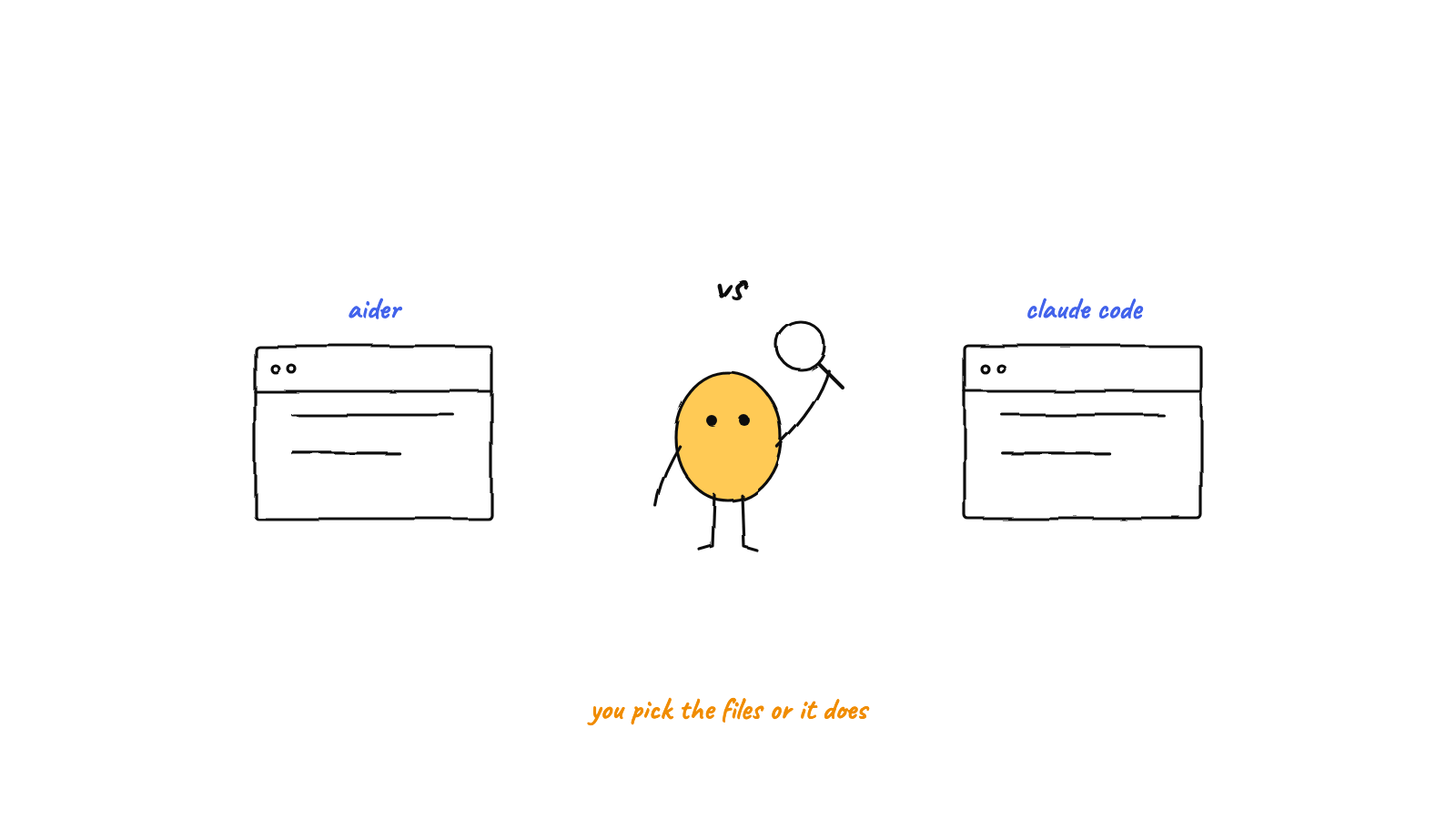
Aider vs Claude Code, checked 15 Sep 2026: how each edits code, which models it runs, what it costs, MCP, and Aider's stalled releases.
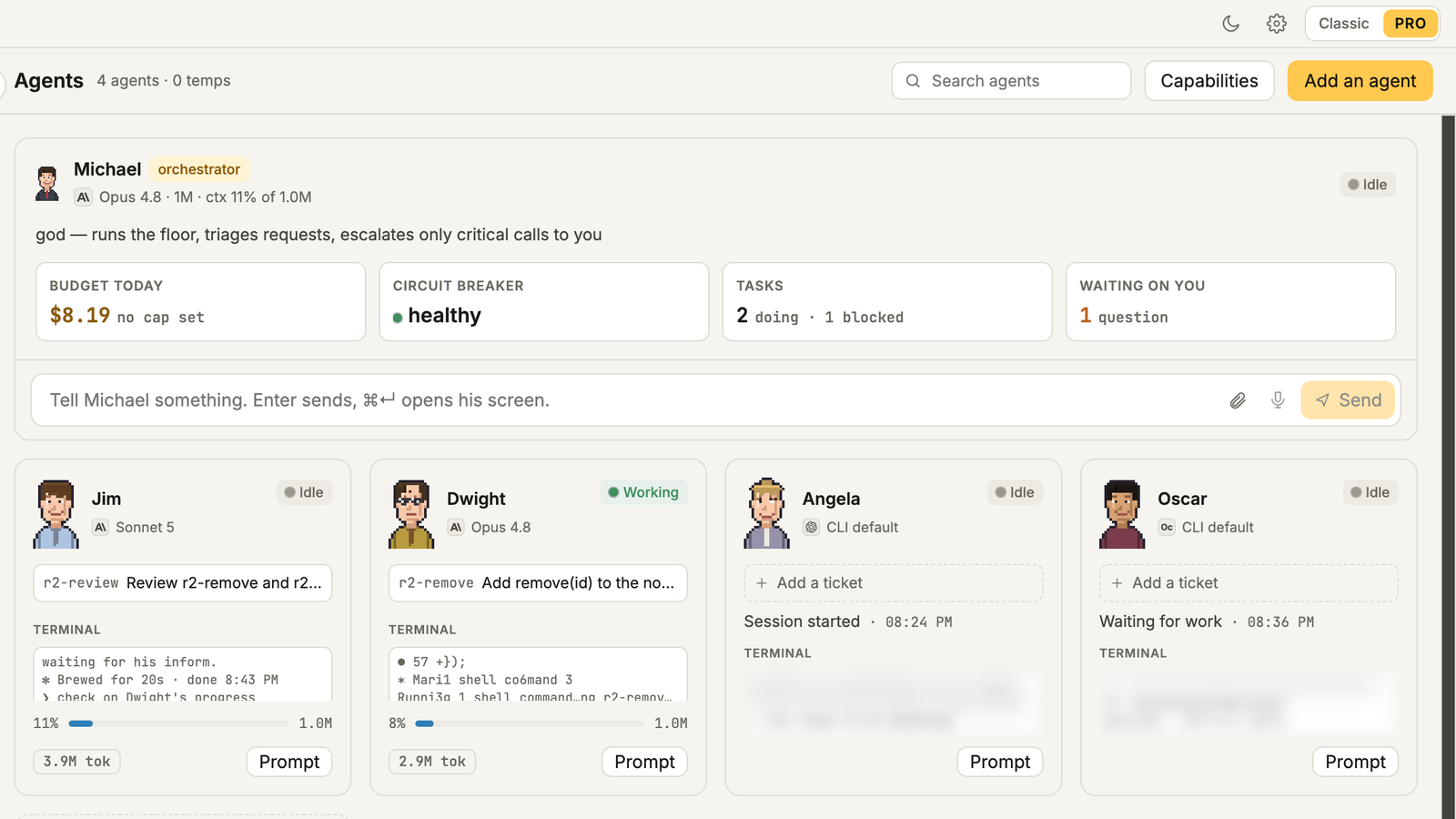
Turn Claude Code into a personal AGI on your own computer: agents with memory, schedules, Gmail, Calendar, voice and Slack, set up in Munder Difflin 0.5.2.
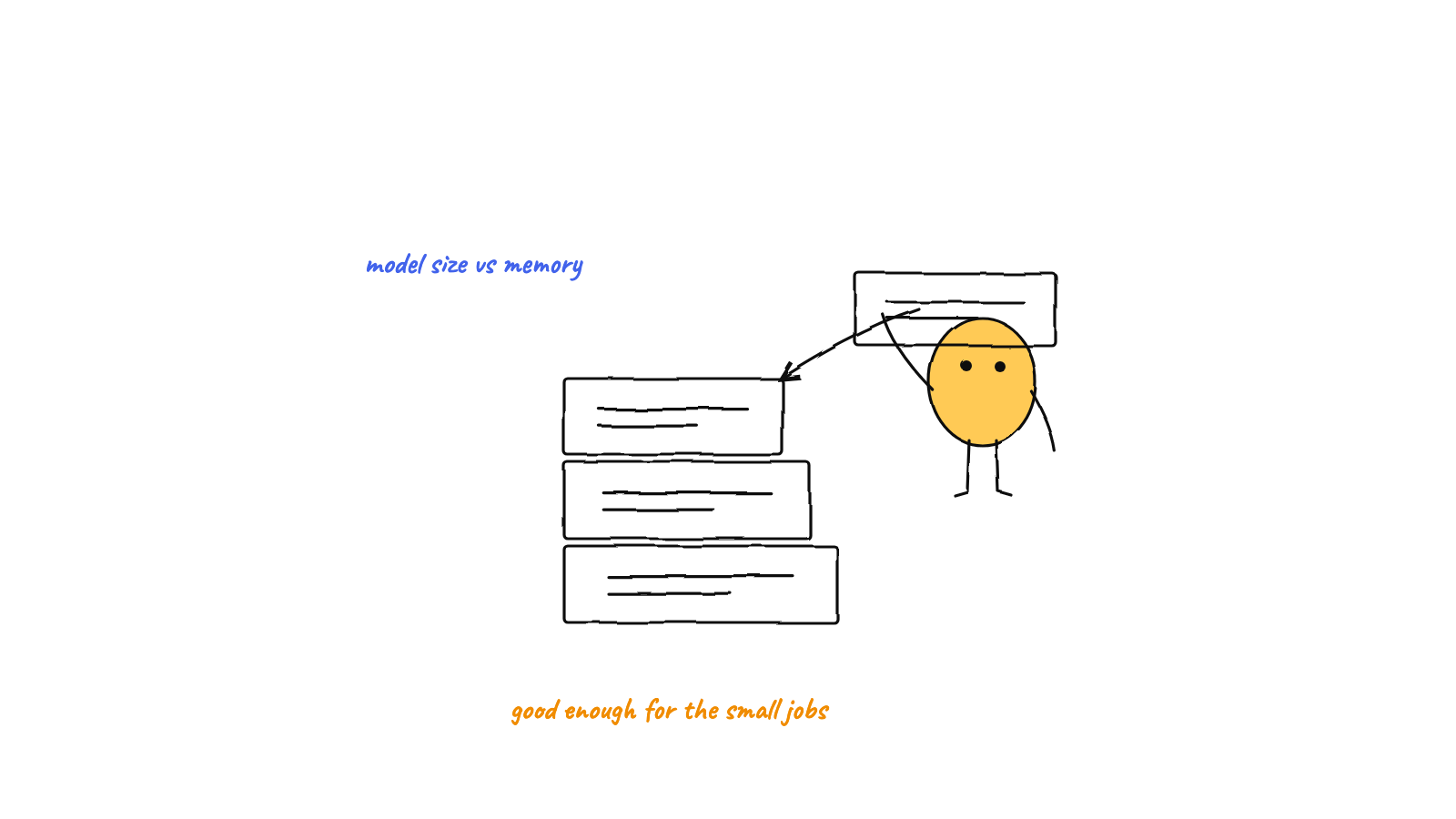
Ollama only runs the model, so the answer depends on which one you pull and your memory. What local models do well, where Claude wins, and a verdict.
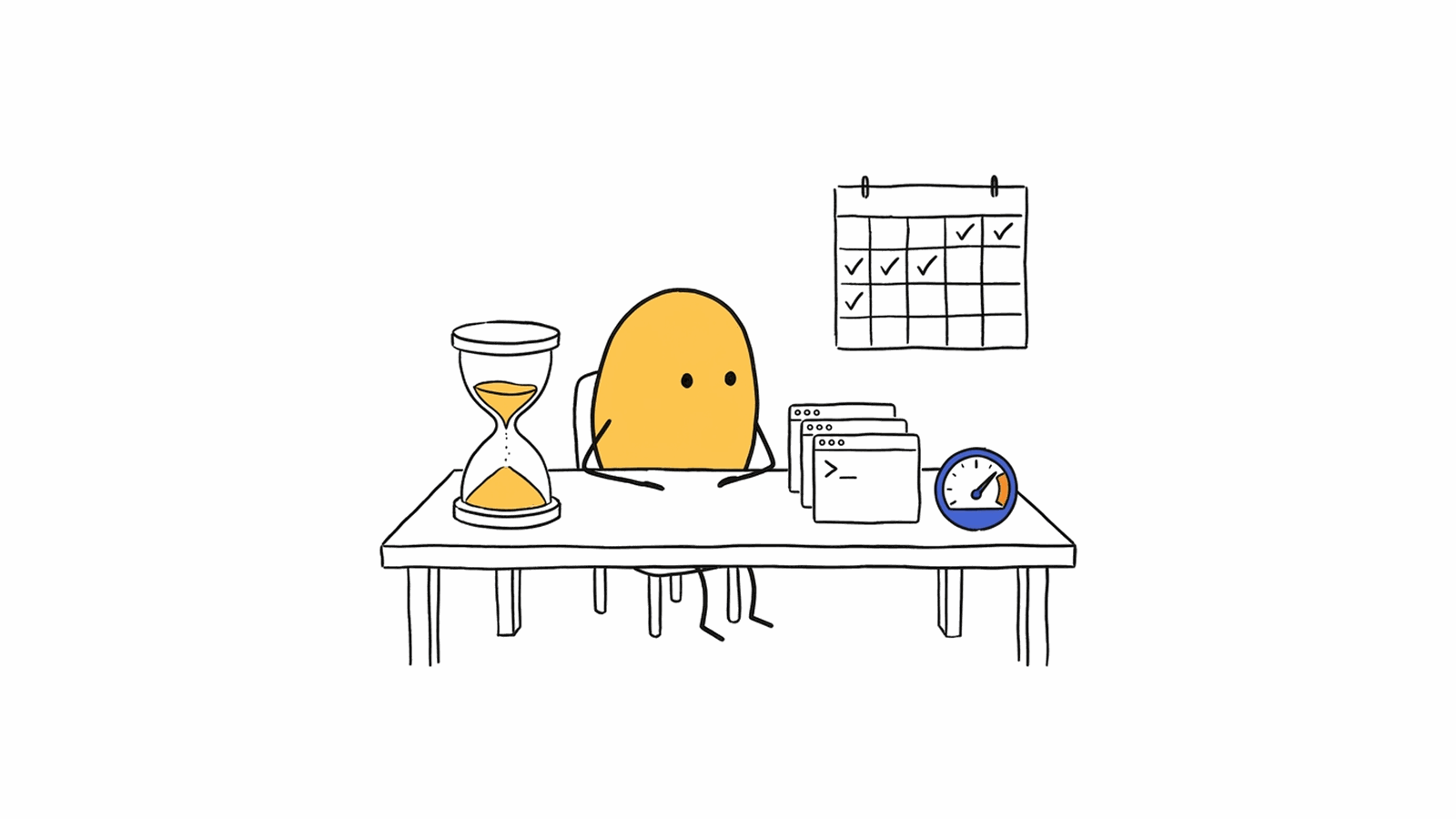
Stretch a Claude Code Max plan: model choice, context hygiene, prompt caching, subagents and unattended runs, checked against Anthropic's own pages.
Claude Code vs Google Antigravity, checked 14 Sep 2026: terminal agent or desktop agent app, Claude inside Antigravity, plans, limits and a verdict.
Claude Code vs Cursor, checked 29 Sep 2026: a dated table of models, plans, background agents, MCP and licences, then when to pick each or run both.
Herdr alternatives checked on 14 Sep 2026: tmux, Munder Difflin, Claude Squad, cmux, Orca, Conductor, Superset and Emdash, and who each fits.
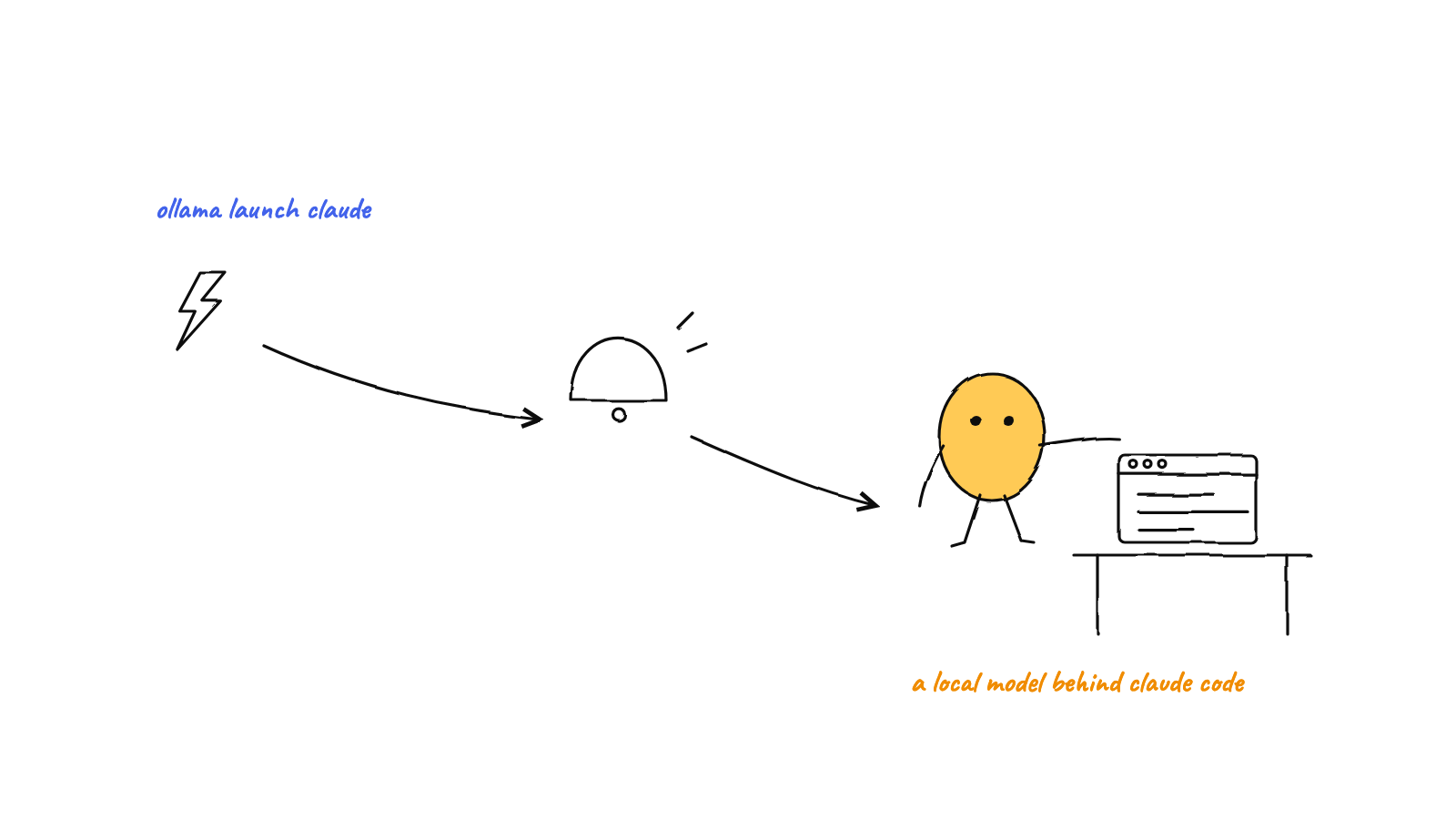
Point Claude Code at Ollama with ollama launch claude or three environment variables, give the model 64K of context, and know what stops working.
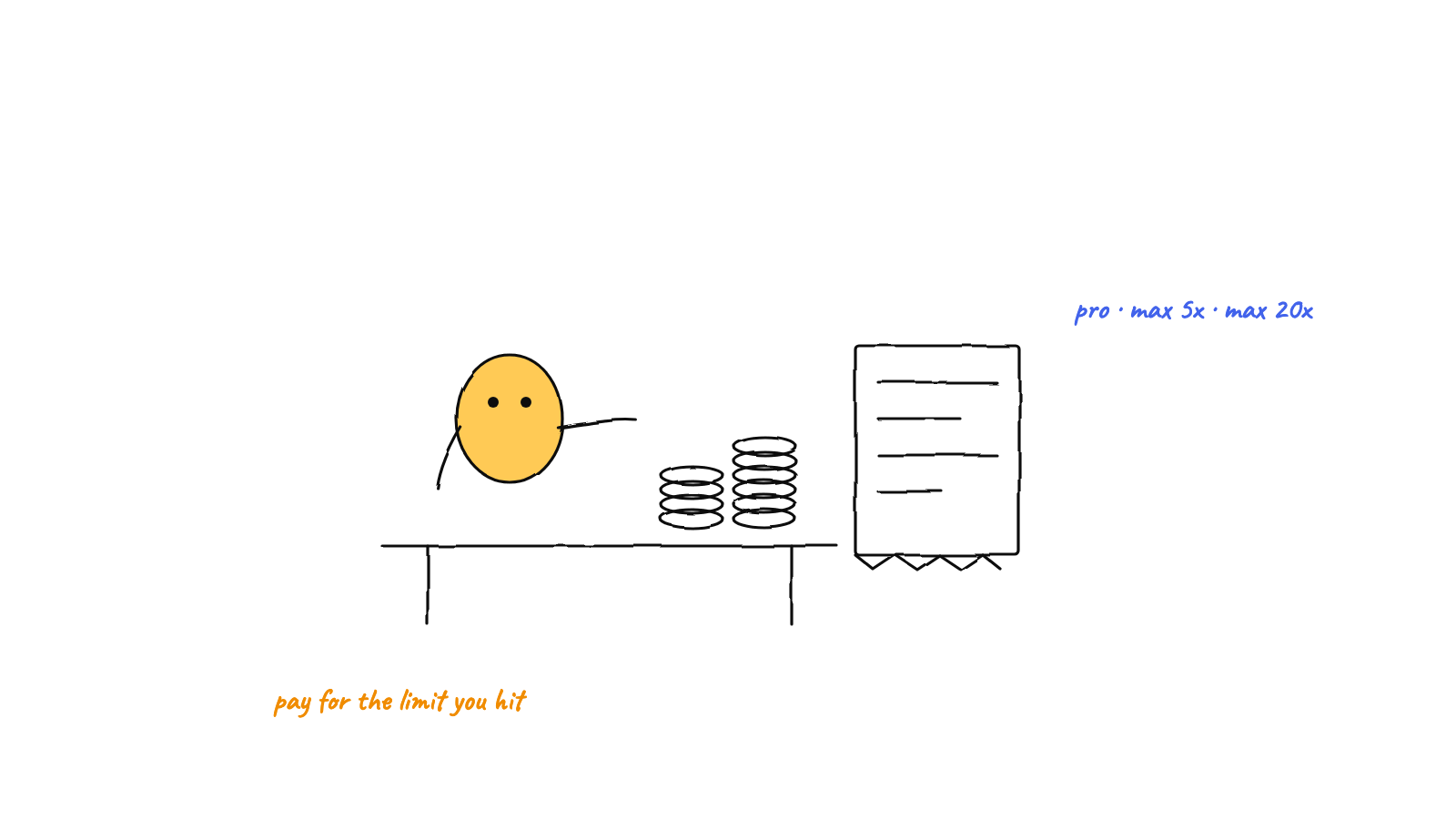
Is the Claude Max plan worth it? Max 5x and 20x against Pro, checked 29 Sep 2026: price, five hour and weekly limits, Fable, and the API break even.
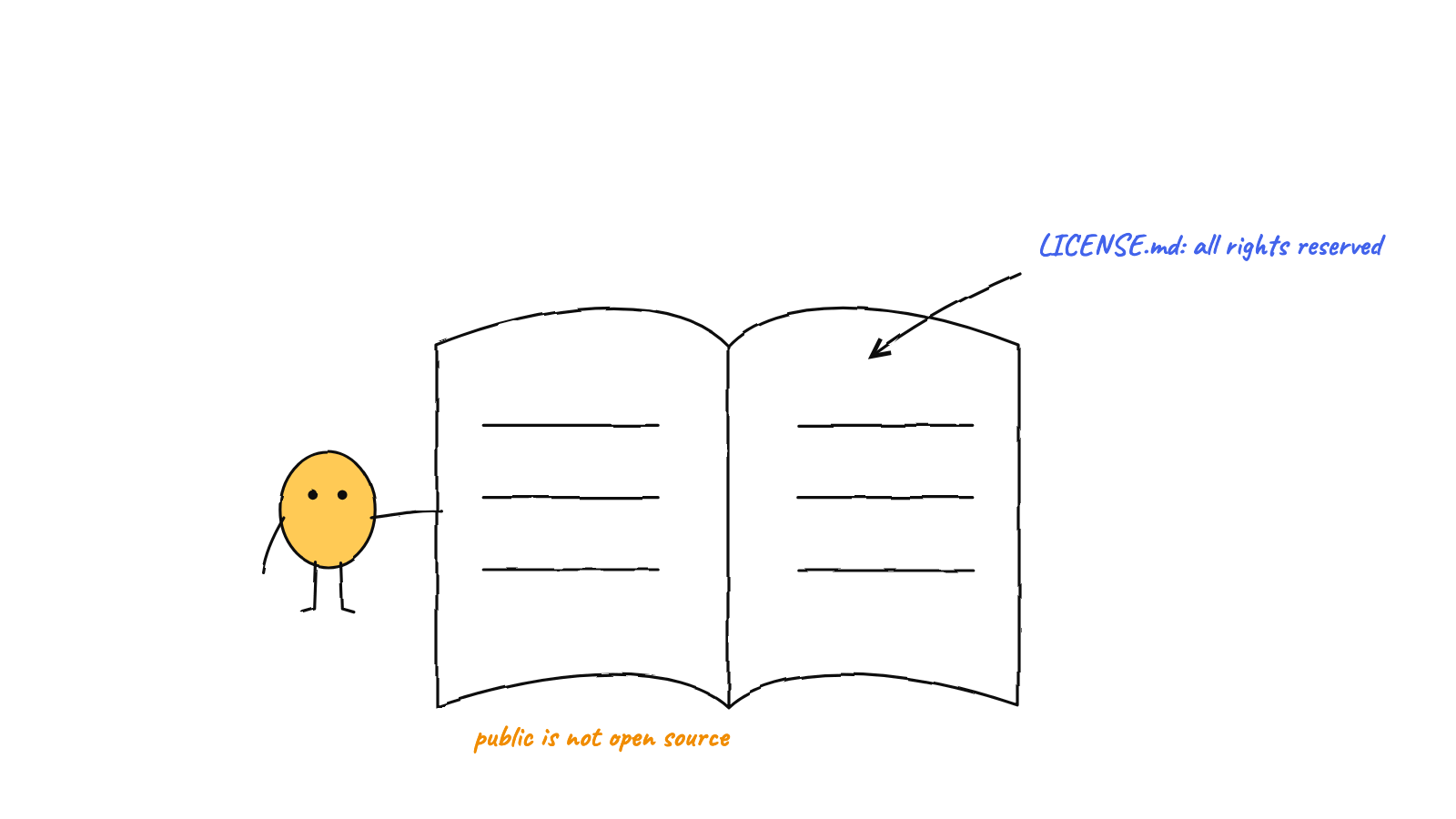
No. Claude Code is proprietary under Anthropic's terms. What its GitHub repo holds, what the 2026 leak changed, and which open tools sit around it.
OmniAgent is really Omnigent, the open source meta harness from Databricks. Alternatives checked on 14 Sep 2026, and who each one fits.
Vibe coding means building software from AI prompts without reading the code. Where the term came from, when it is fine, where it bites, and what to check.
Claude Code asks because Manual mode gates edits, shell commands and web requests. The fixes, safest first: modes, allow rules, sandboxing, then bypass.
Claude Code plan mode, checked 29 Sep 2026: the Shift+Tab shortcut, --permission-mode plan, defaultMode, what it blocks, the approval options and opusplan.
An MCP server gives an AI agent tools, data and prompts over one open protocol. What it is, the host, client and server roles, and where Claude Code plugs in.
Codex vs Claude Code, checked 29 Sep 2026: models, plans, usage limits, sandboxing, computer use, MCP and subagents in one dated table, then which to pick.
Claude Code pricing checked 29 Sep 2026: Pro, Max, Team, Enterprise and API rates, usage limits, what changed this year, and whether Claude Code is free.
Add Claude Code MCP servers with claude mcp add: transports, scopes, --env and --header, .mcp.json, OAuth sign in and output limits. Checked 29 Sep 2026.
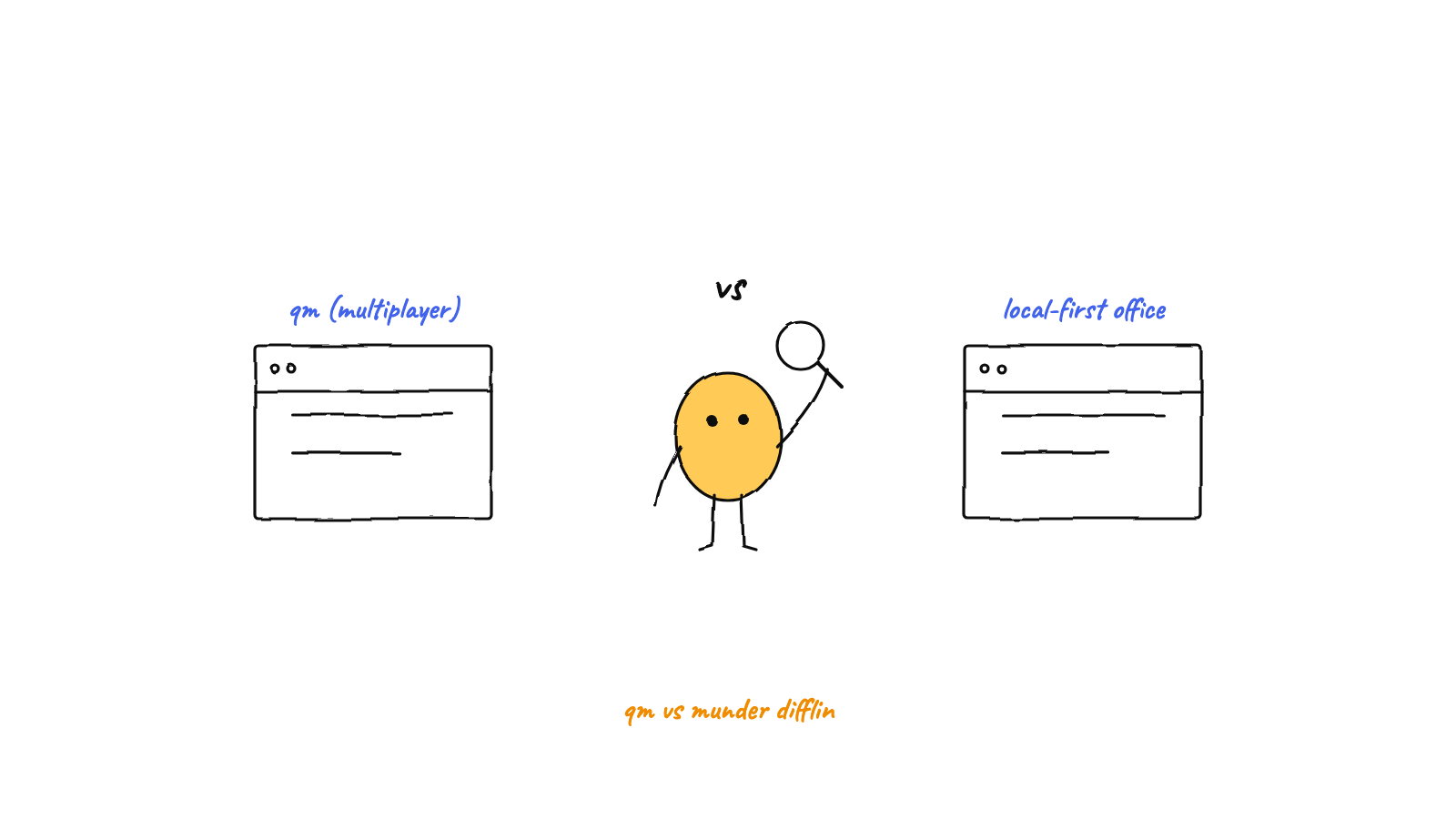
An honest September 2026 comparison of YC's qm and Munder Difflin. qm is a multiplayer agent harness a company deploys for Slack and the web. Munder Difflin runs an office of your clones on your own machine, with Teams to connect them.
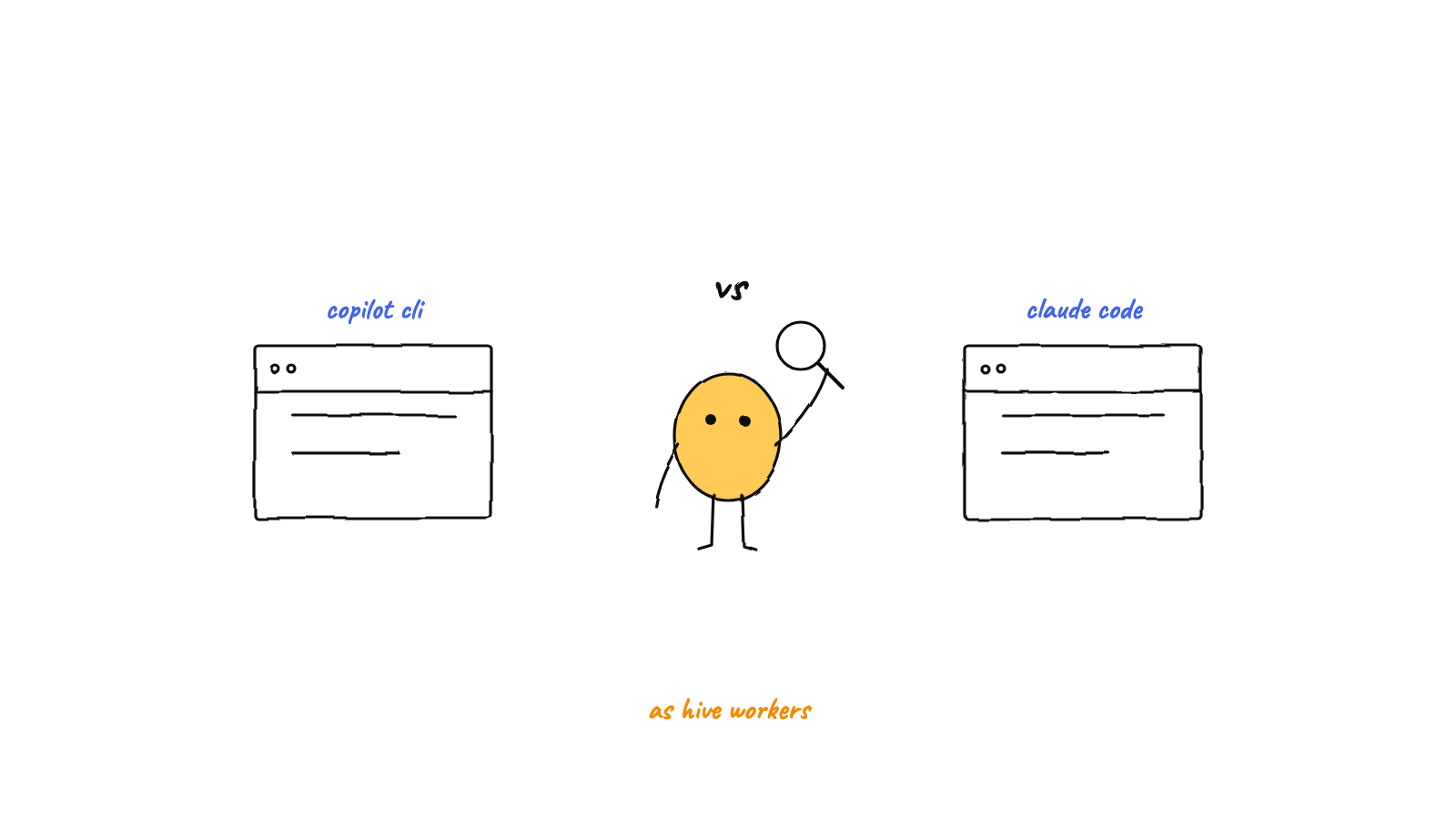
Claude Code vs GitHub Copilot, checked 29 Sep 2026: Copilot CLI and the editor, AI Credits vs Claude plans, models, hooks, and when to pick each.
tmux panes, git worktrees, shell scripts, and cron will absolutely run several Claude Code sessions at once. Here's what that DIY setup does well, where it breaks at scale, and what a purpose-built agent harness automates.
Munder Difflin v0.3.0 makes every hire — and Michael himself — a pluggable engine, adds an integrations registry with a write-only secret broker, and lets the god orchestrator spawn an ephemeral worker straight from Slack.
Munder Difflin v0.2.8 ships Shareable Hires: a one-click, portable agent role manifest + The Hiring Fair gallery. Click a hire link, review every field, then spawn it yourself.
Munder Difflin v0.2.4 is here: Claude Code, OpenAI Codex, and Antigravity (Gemini) agents now run as one hive with full parity — no API keys, no setup. Brief a GOD orchestrator, automate basically anything in one prompt, and close the lid while it keeps working.
A comprehensive guide to every change in Munder Difflin v0.2.4 — how the Codex lifecycle-hook bridge achieves full hive parity, what the Schedules tab adds, why tunnelmole replaced localtunnel, and what else shipped.
Munder Difflin v0.2.0 is here: a Command Center overhaul, per-agent token budgets, live OpenTelemetry observability, a circuit breaker, durable SQLite persistence, and a big round of community fixes.
From June 15, 2026 the Claude Agent SDK gets a separate credit. Munder Difflin drives the native Claude Code CLI, so your hive runs on your plan as before.
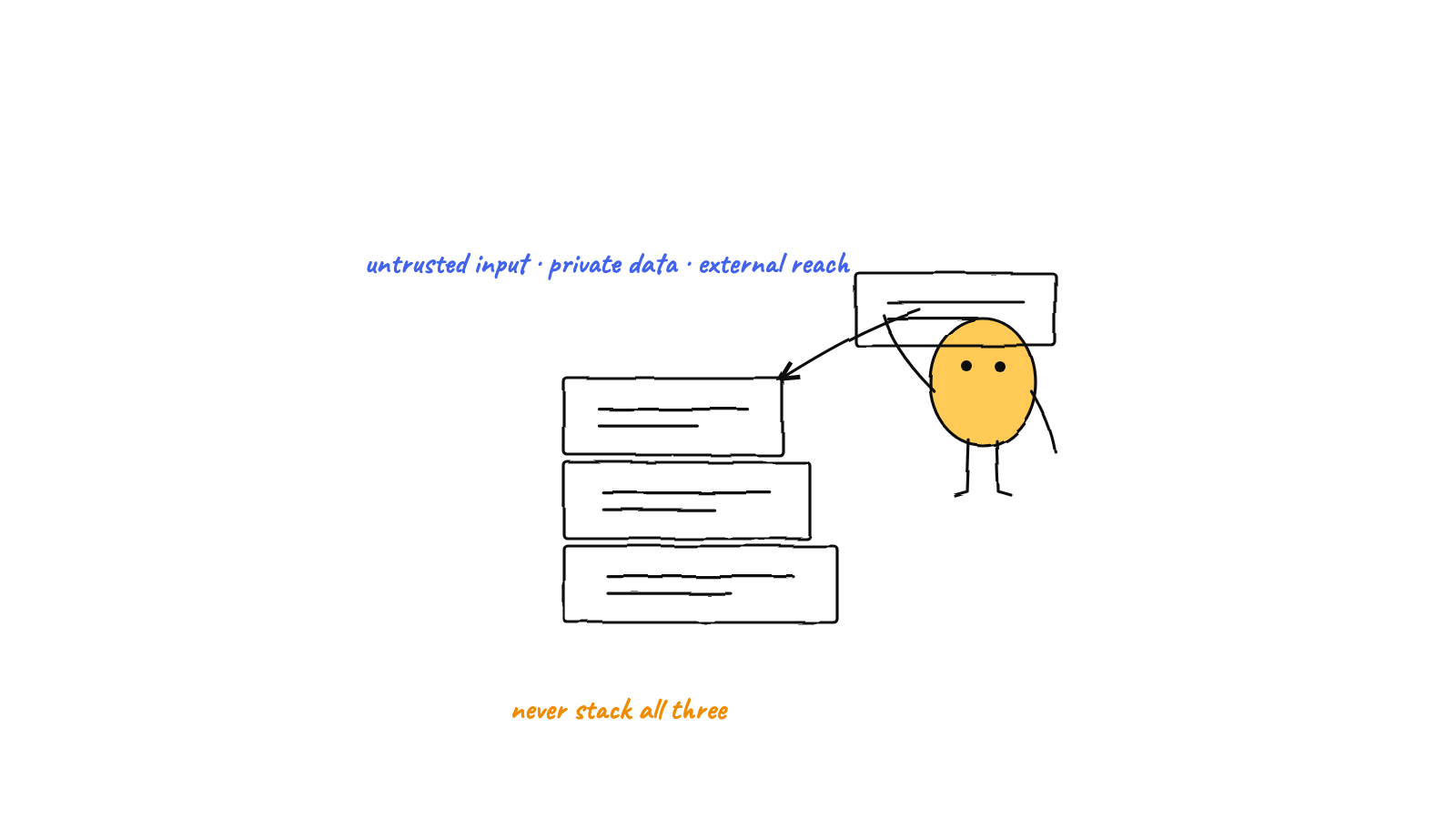
Meta's Agents Rule of Two for coding agents: don't let one session combine untrusted input, private data, and external reach at once — or supervise.
An honest September 2026 roundup of tools for running several Claude Code agents: Claude Code agent teams, Claude Squad, Conductor, Nimbalyst, Emdash, Vibe Kanban and Munder Difflin, and how to pick one.
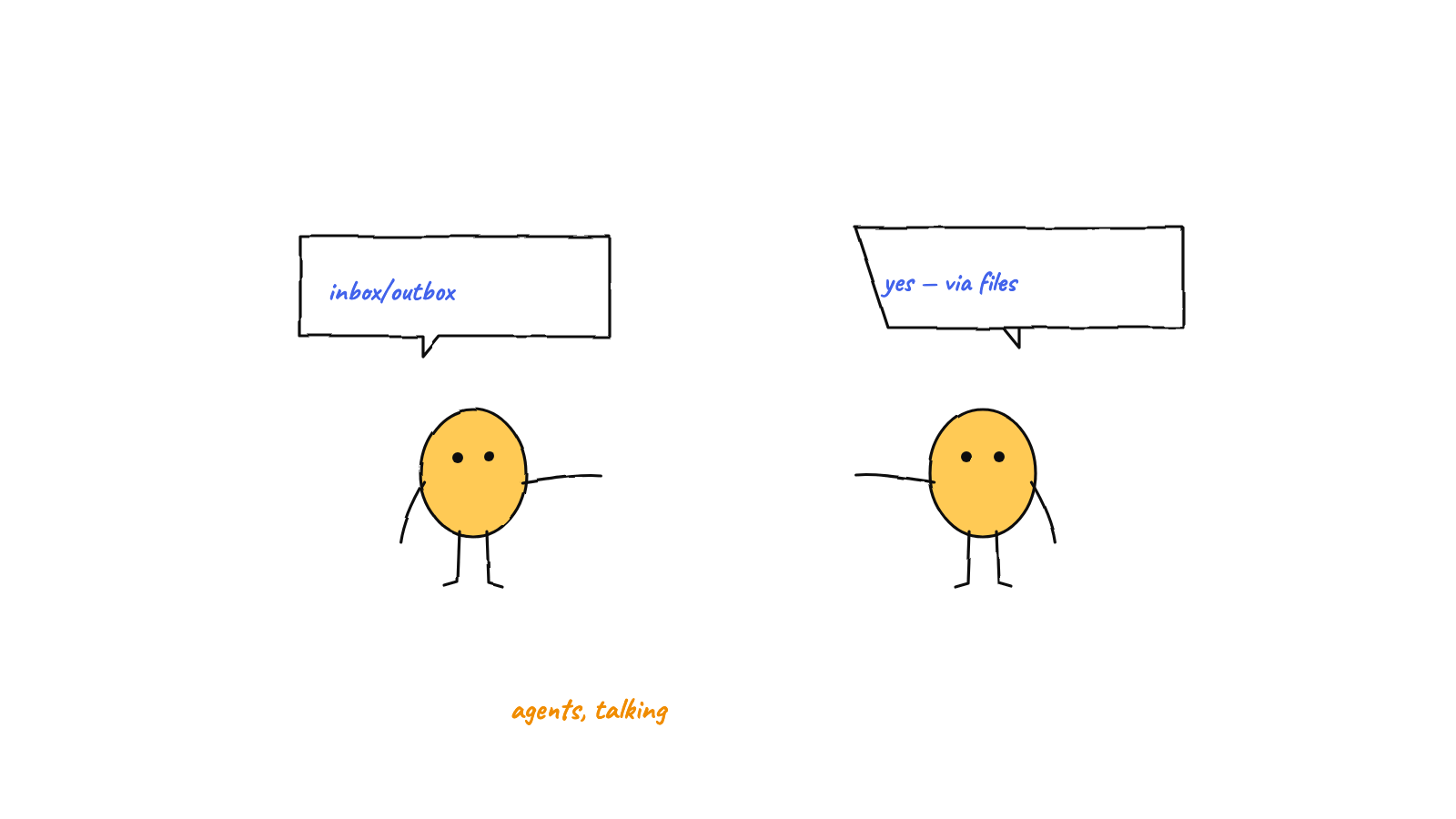
Can Claude Code agents talk to each other? By default they report to their launcher — but a small coordination layer lets them message peer-to-peer.
Claude Code automation that runs overnight: an autonomous Stop-hook loop, safe permission bypass, and guardrails so you wake up to progress, not chaos.
Claude Code git worktrees vs a hive: when isolated worktrees suffice for parallel agents, and when you need memory, messaging, and an orchestrator on top.
Claude Code orchestration tools compared on memory, messaging, visibility, control, and local-first — across Claude Squad, Conductor, Crystal, and more.
Claude Squad vs Munder Difflin: a lean terminal session manager against a memory-backed, orchestrated, visual hive. Feature table and an honest verdict.
Why context engineering beats prompt wording for agents — and the tactics (isolation, retrieval, externalized state, compaction) that keep the window lean.
Why a local agent hive coordinates through plain files, not Redis or RabbitMQ: the zero-ops wins, the real tradeoffs, and where files hit a ceiling.
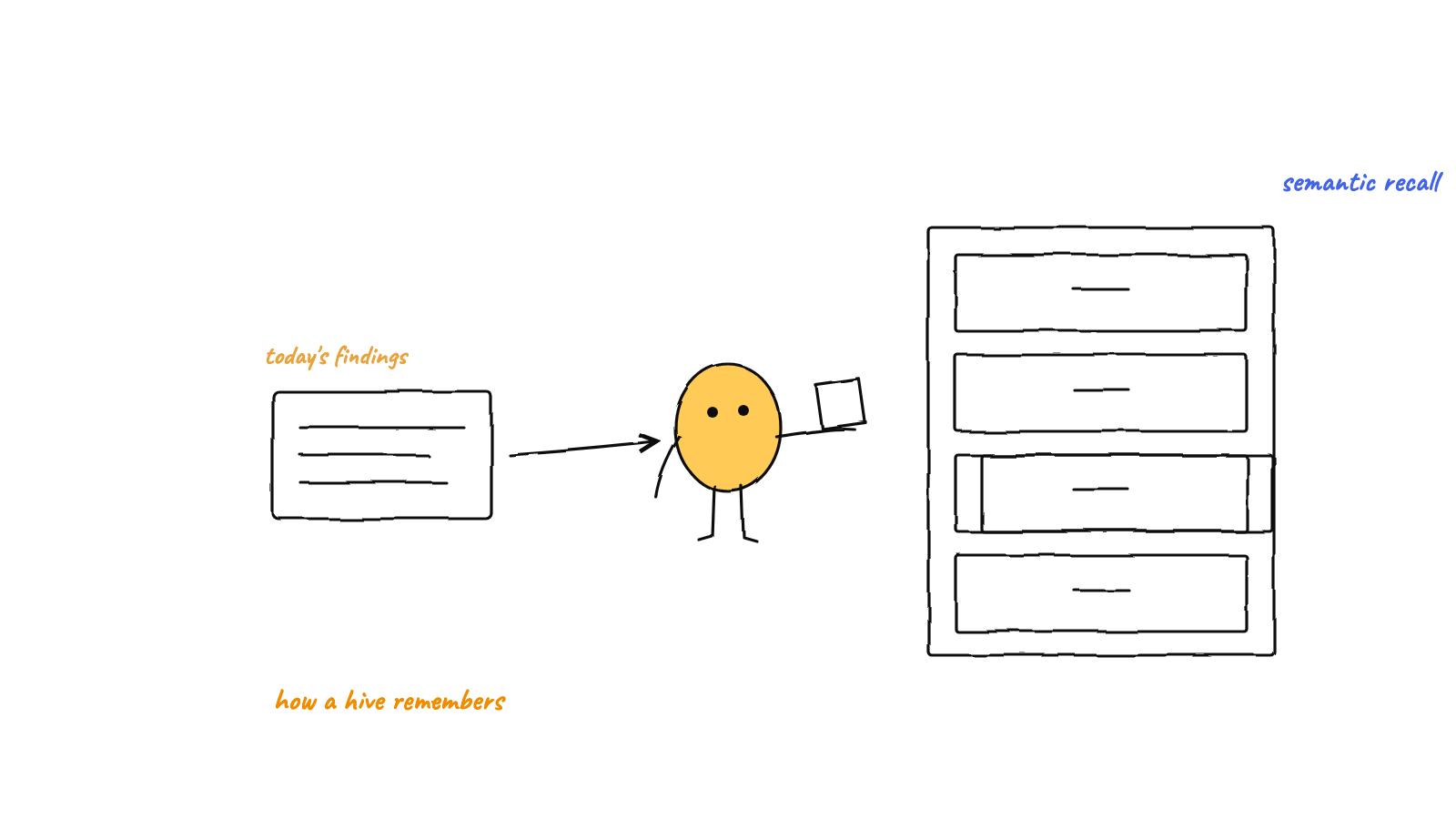
A code-grounded guide to how AI agents remember — the MemPalace mine loop, per-agent wings, and wake-up digest that give a Claude Code hive shared recall.
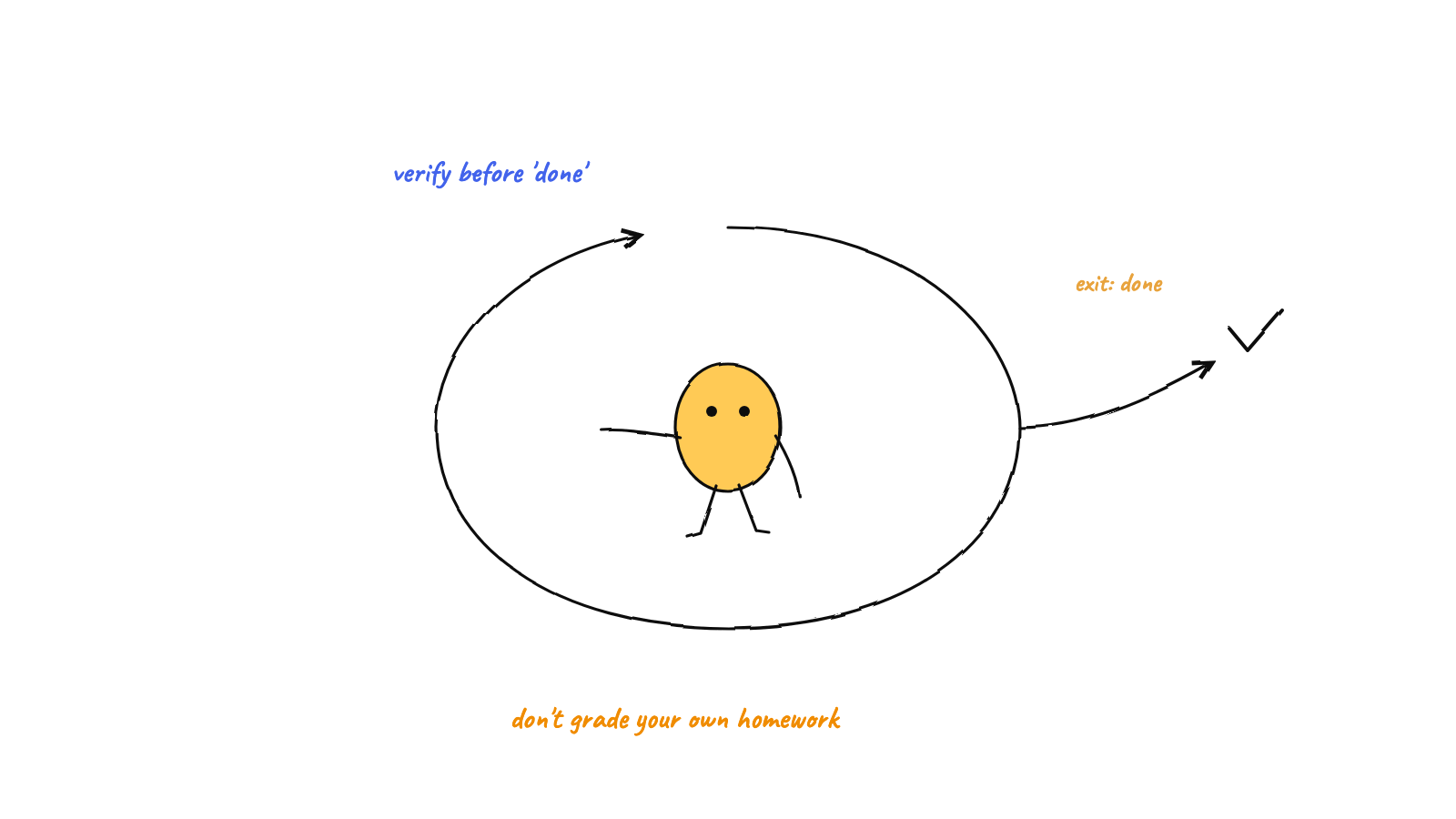
The discipline that makes an autonomous coding agent trustworthy: prove every claim, reproduce the green, and check the fix — not just the intent.
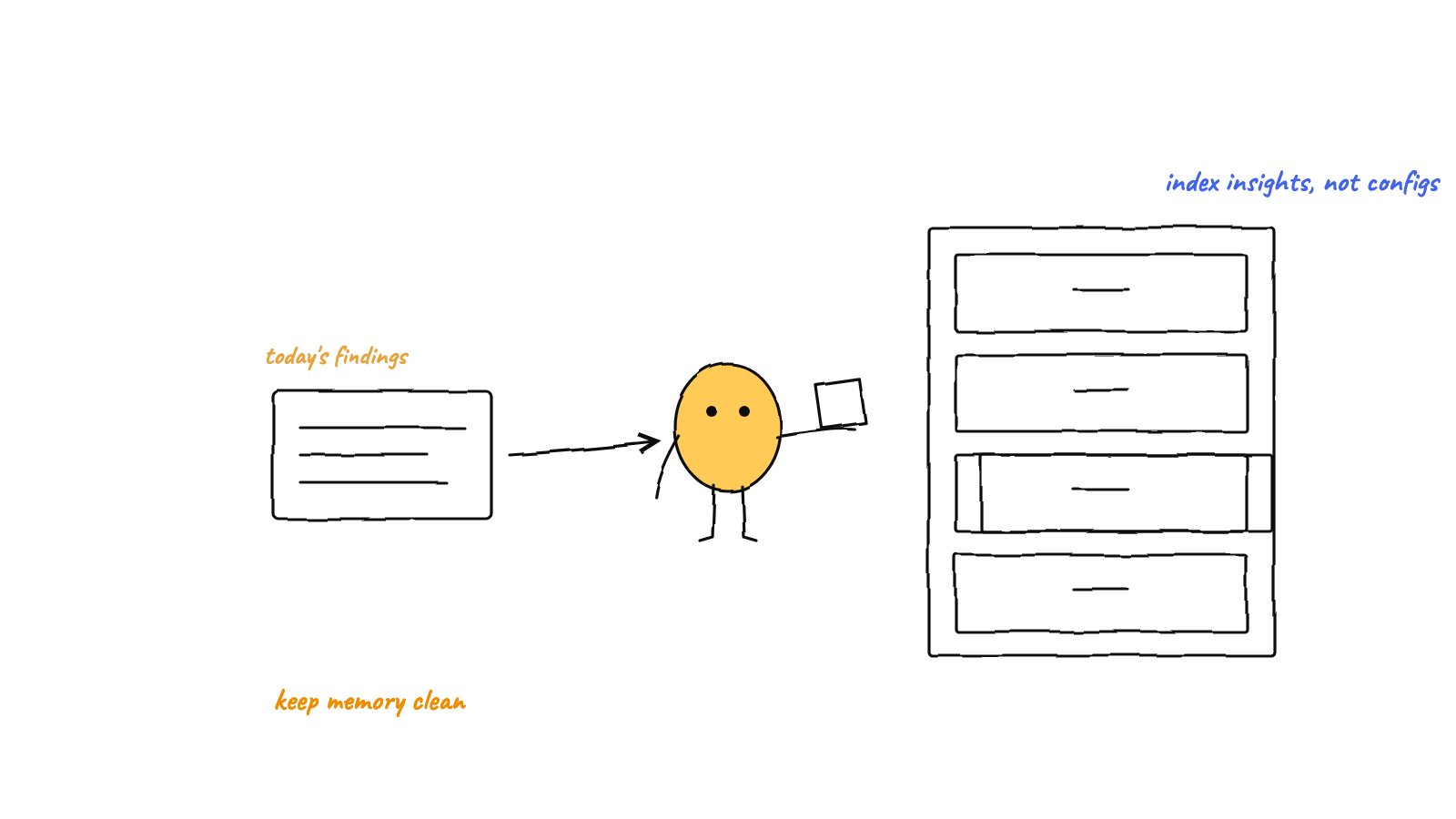
A semantic memory layer is only as good as what you feed it — how an agent's recall got swamped by config and logs, and the .gitignore + prune fix.
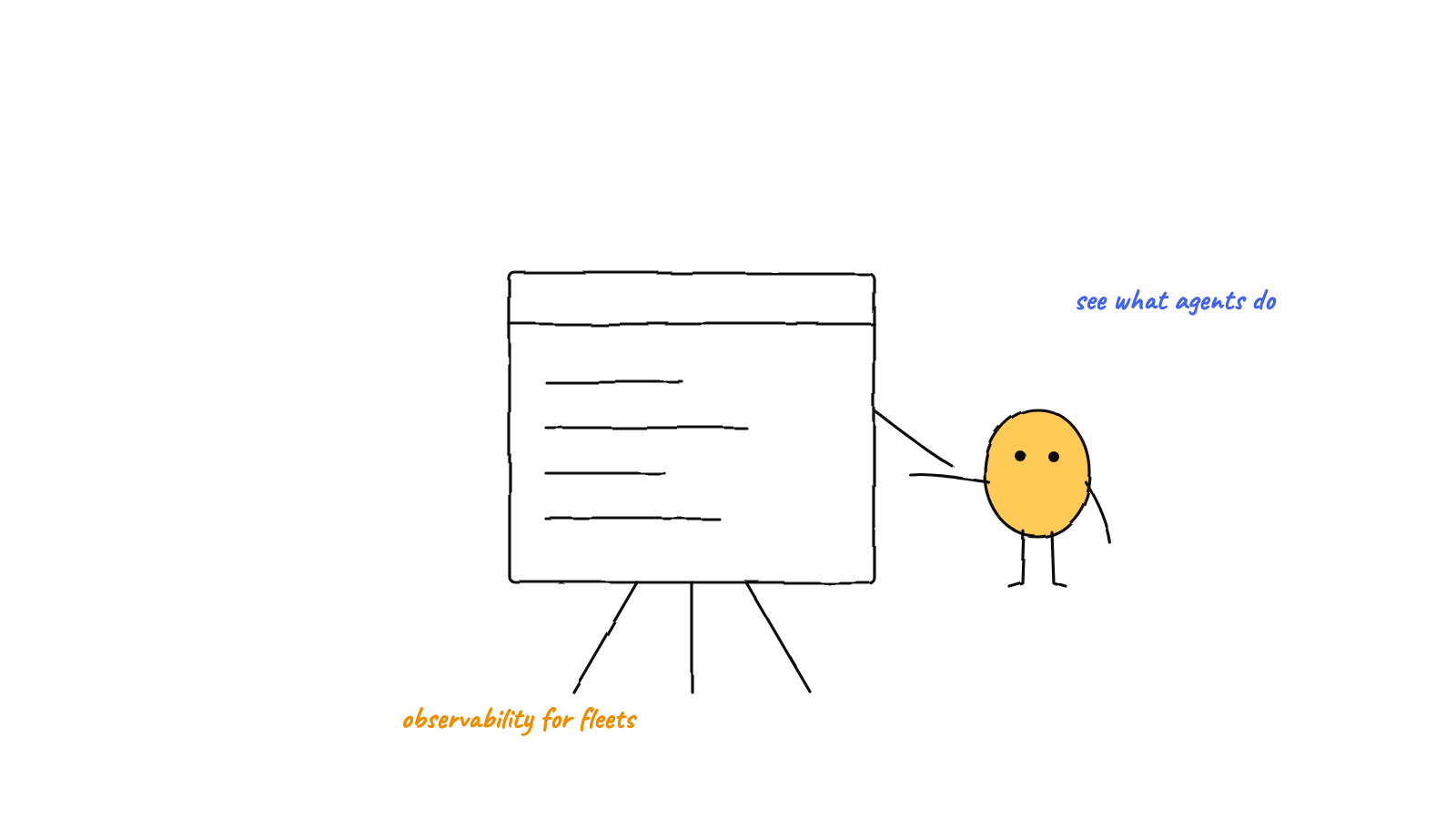
Agent fleet observability: the four questions your dashboard must answer about who's working, what they're doing, what it costs, and what they know.
How to run AI coding agents safely: contain the blast radius, scope every task, treat agent input as untrusted, and gate the irreversible behind a human.
How a small team adopts a hive of AI coding agents without chaos — the roles to assign, the cadence to run, and the guardrails that keep it safe.
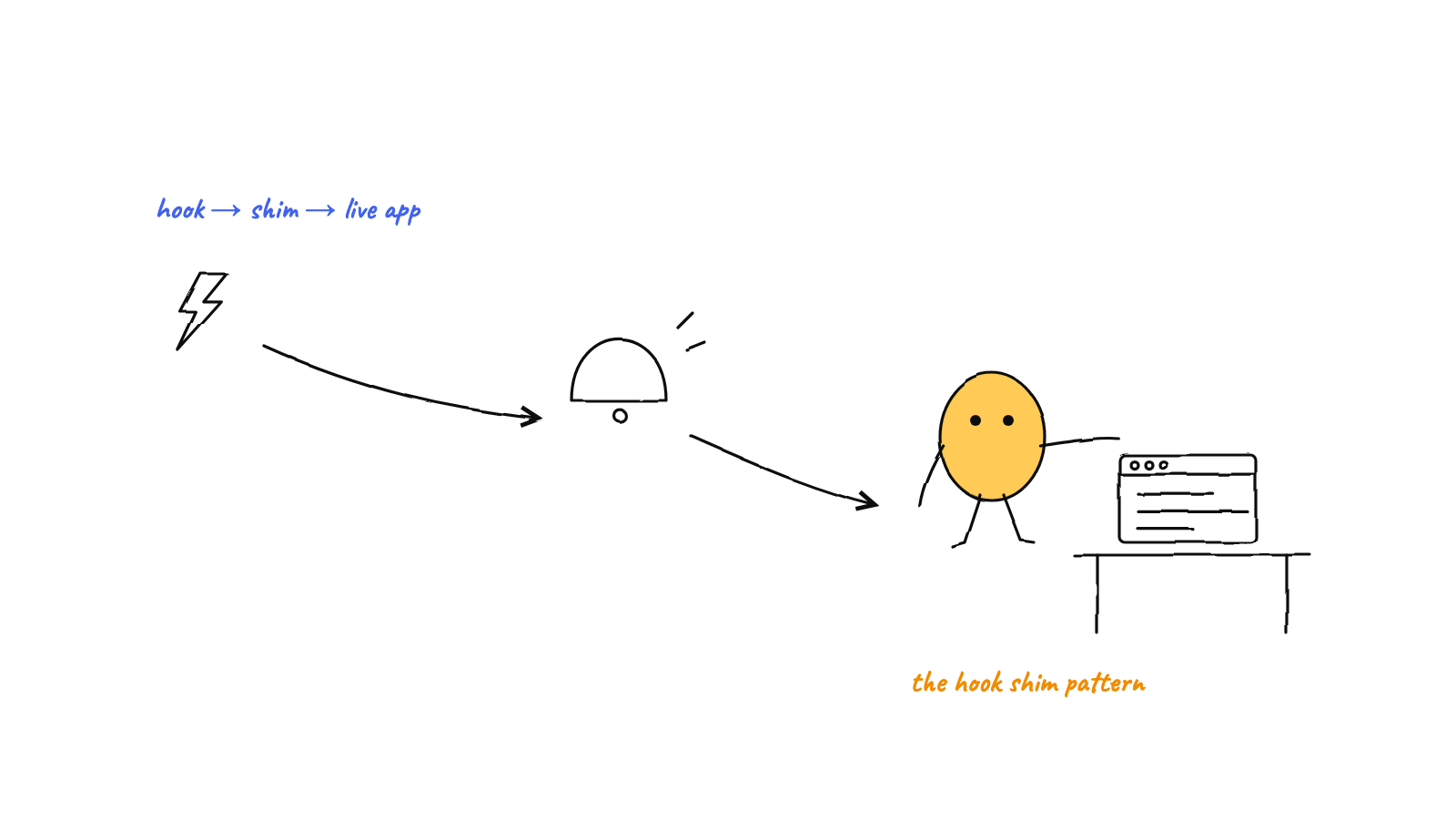
How a tiny shim bridges Claude Code's lifecycle hooks to one live process over a Unix socket, turning per-event hooks into a telemetry and control channel.
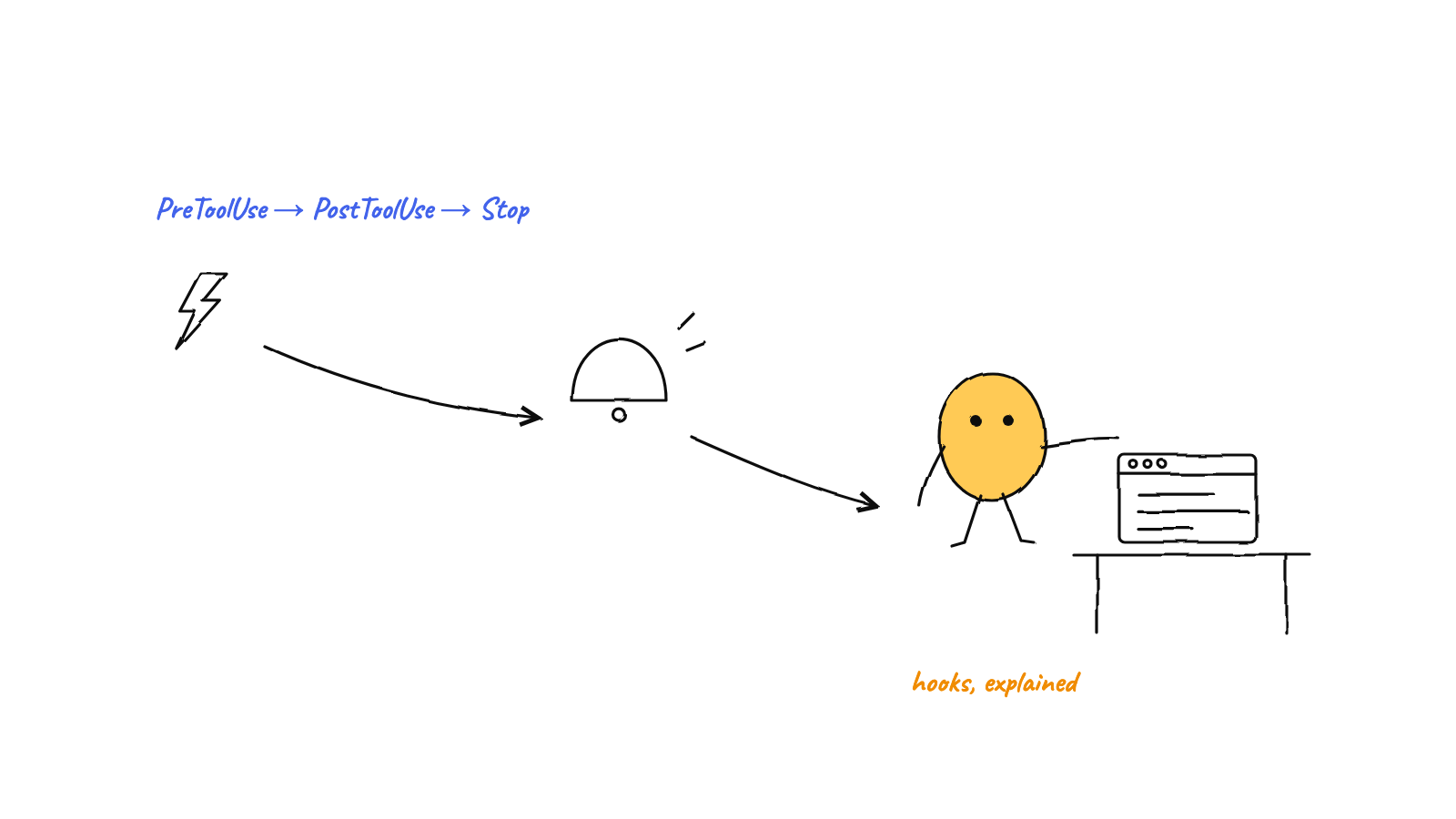
How Claude Code hooks work in 2026: the 33 events, where settings go, matcher syntax, exit code 2, and tested PreToolUse and Stop hook examples.
What Claude Squad does well, where it stops, and why a memory-backed, orchestrated hive may be the Claude Squad alternative you're after.
Conductor is a polished macOS app for parallel Claude Code worktrees. When to pick a cross-platform, orchestrated hive as your Conductor alternative.
Crystal runs parallel Claude Code worktrees well. Where a memory-backed, orchestrated hive changes the workflow — and when to stick with Crystal.
How agents in a hive inherit your existing Claude Code MCP servers, skills, and tools — and how to scope which agent gets which capability.
The workflow shift from a single Claude Code session to a coordinated team of agents — what changes, where it breaks, and the concrete before-and-after.
Answers to the top Munder Difflin questions — what it is, is it free, does it run locally, which platforms, and how it differs from many terminals.
Claude Code agents explained in plain English — what an agent actually is, how subagents differ, and the leap from one agent to a coordinated team.
The origin story of Munder Difflin — how the pain of juggling Claude Code terminals led to a coordinated, memory-backed hive of agents you can watch.
Run several Claude Code agents in parallel without the chaos: give each a role, let them coordinate, and stop alt-tabbing between terminal windows.
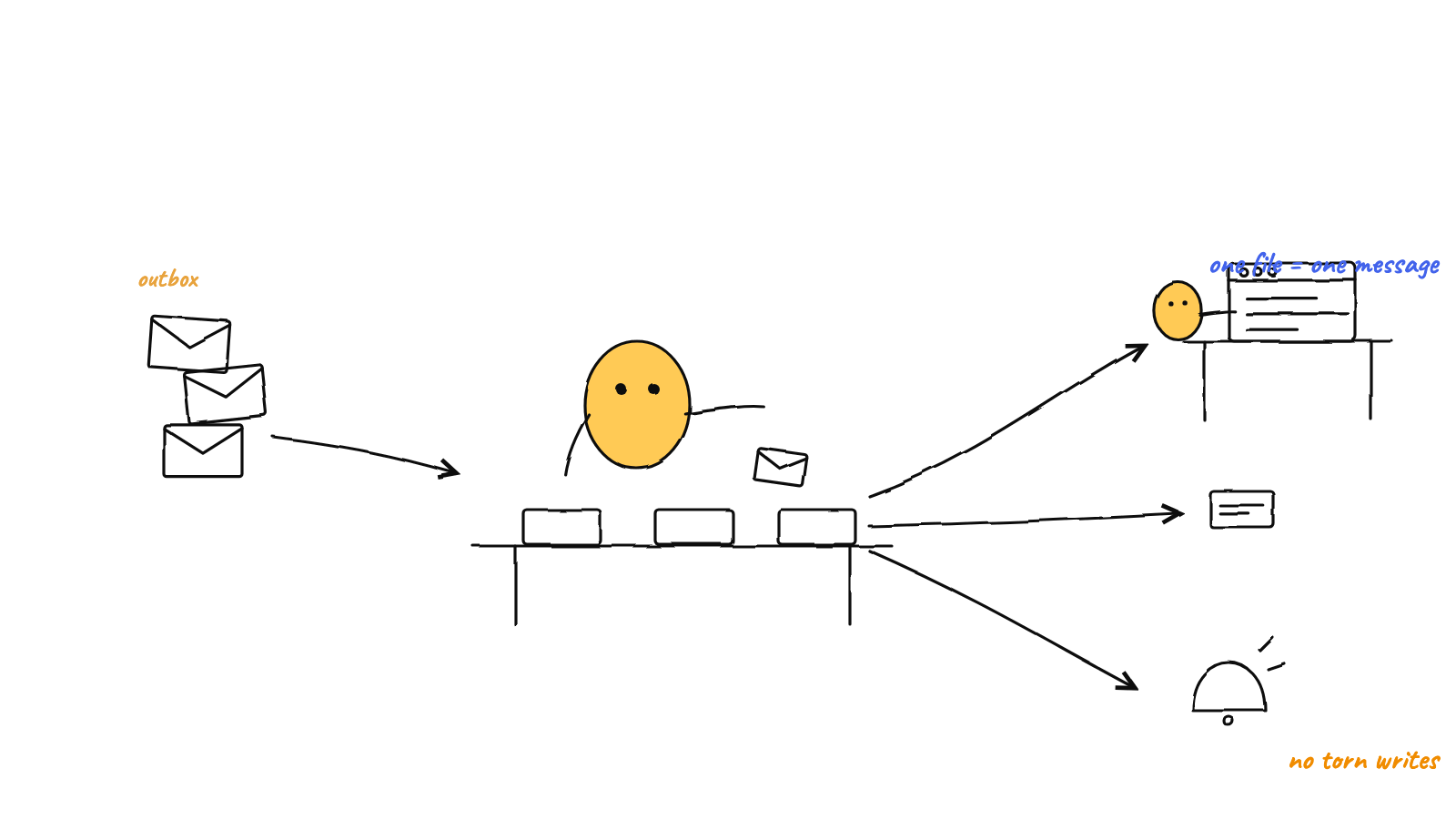
Can Claude Code agents talk to each other? Yes — the outbox-router-inbox design that lets agents message safely using plain files and atomic renames.
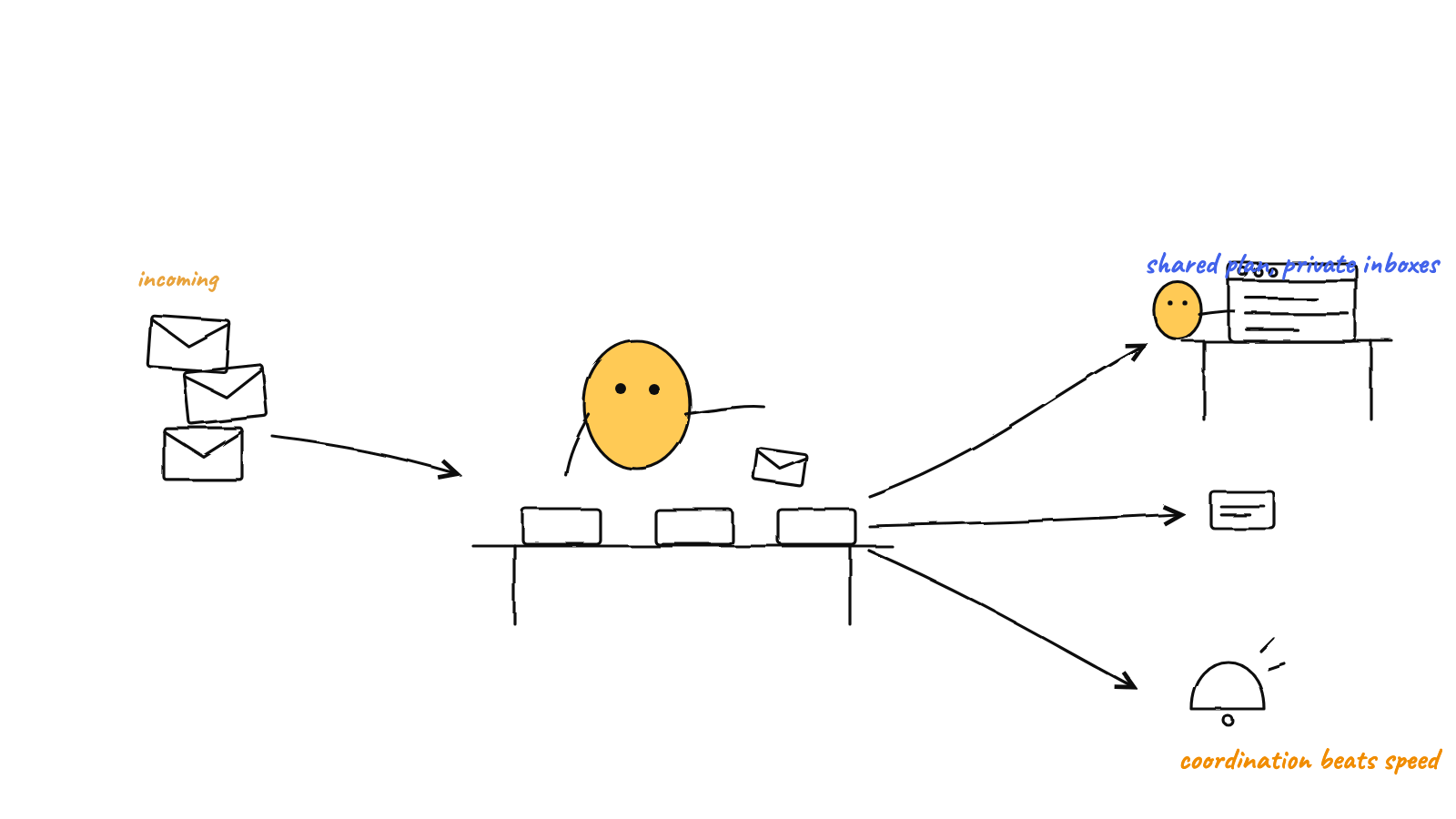
The best way to coordinate AI coding agents: single-writer files, a message router, a one-scribe plan, and an orchestrator — cooperate, not clobber.
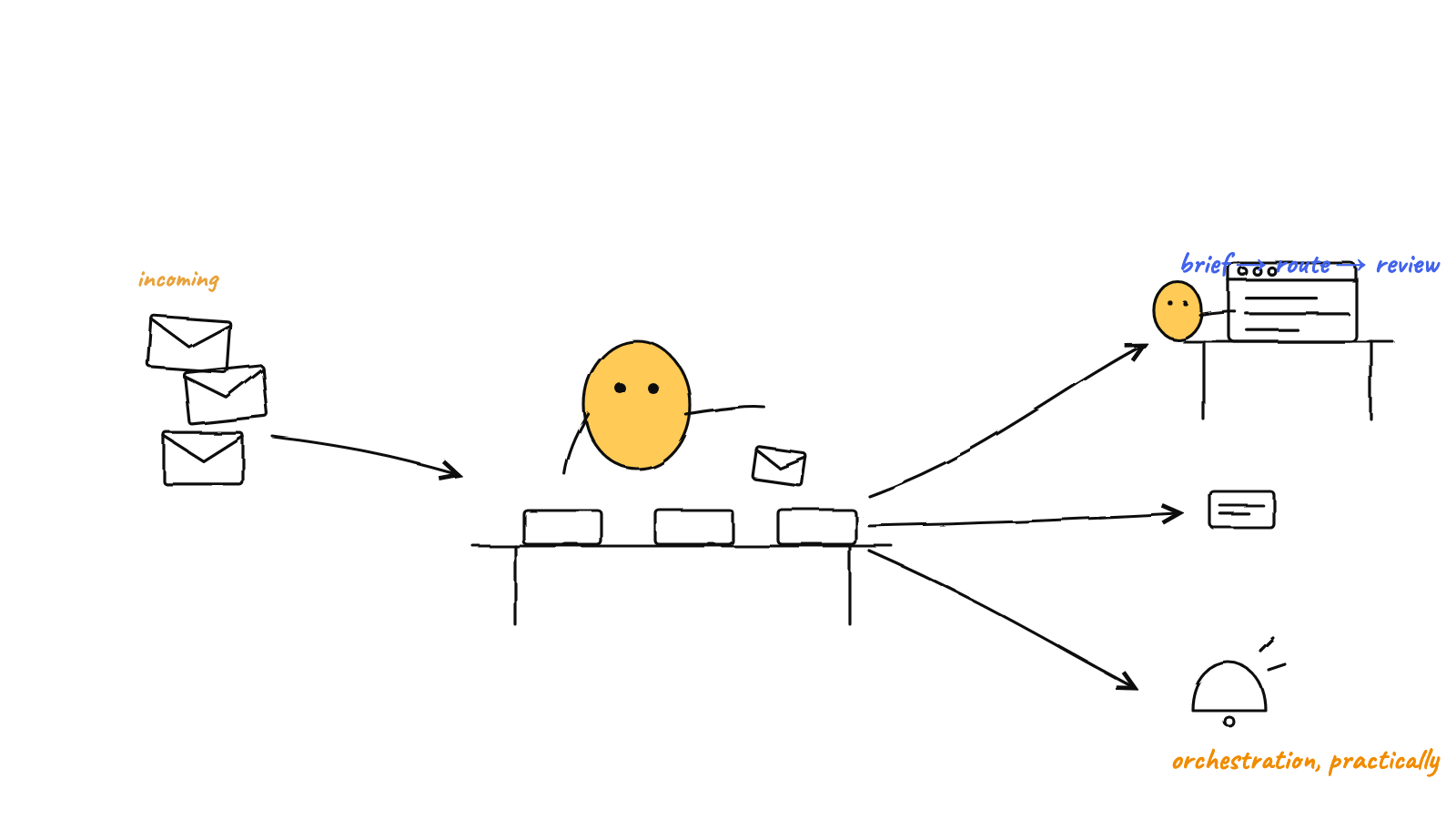
How to orchestrate Claude Code agents in practice: what orchestration means, how a GOD orchestrator routes and escalates work, and how to wire it up.
Claude Code forgets between sessions. Here's how a markdown-first memory layer with semantic recall lets your agents remember across runs.
What semantic memory for AI agents is, why a markdown-first store beats a heavy DB, and how a shared palace lets a hive recall a note by meaning, fast.
Tactics to manage multiple Claude Code sessions without losing track: naming, roles, context isolation, and when a harness beats juggling terminal tabs.
A from-zero Claude Code multi-agent setup: install Munder Difflin, onboard, spawn a few agents, and watch the GOD orchestrator route your first task.
Claude Code subagents in 2026: the .claude/agents file, built-in Explore and Plan, models, nesting, and when agent teams or a harness fit better.
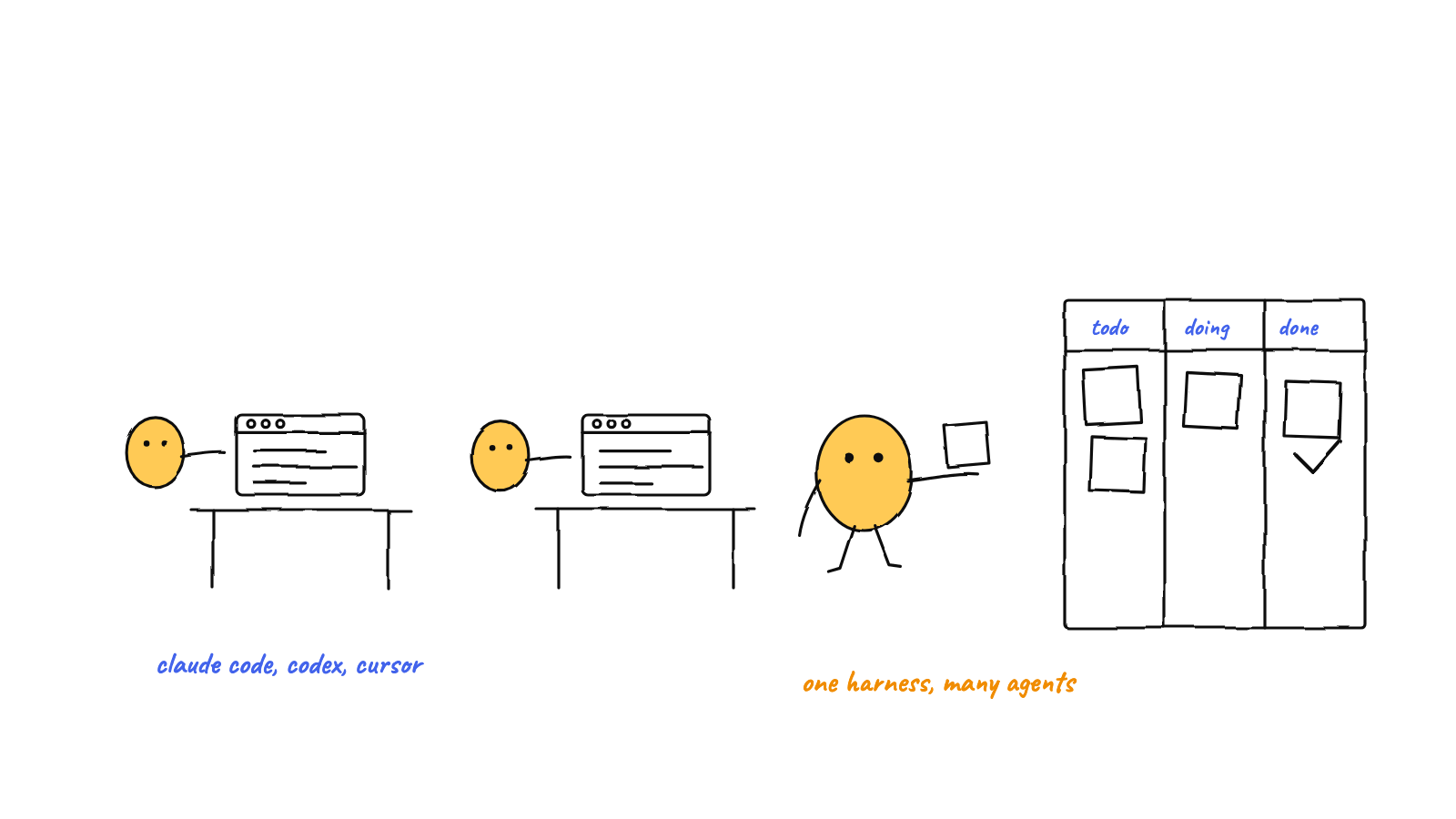
An agent harness is the code around an AI model that runs its tool loop, memory and permissions. Single vs multi-agent harnesses, compared and dated.